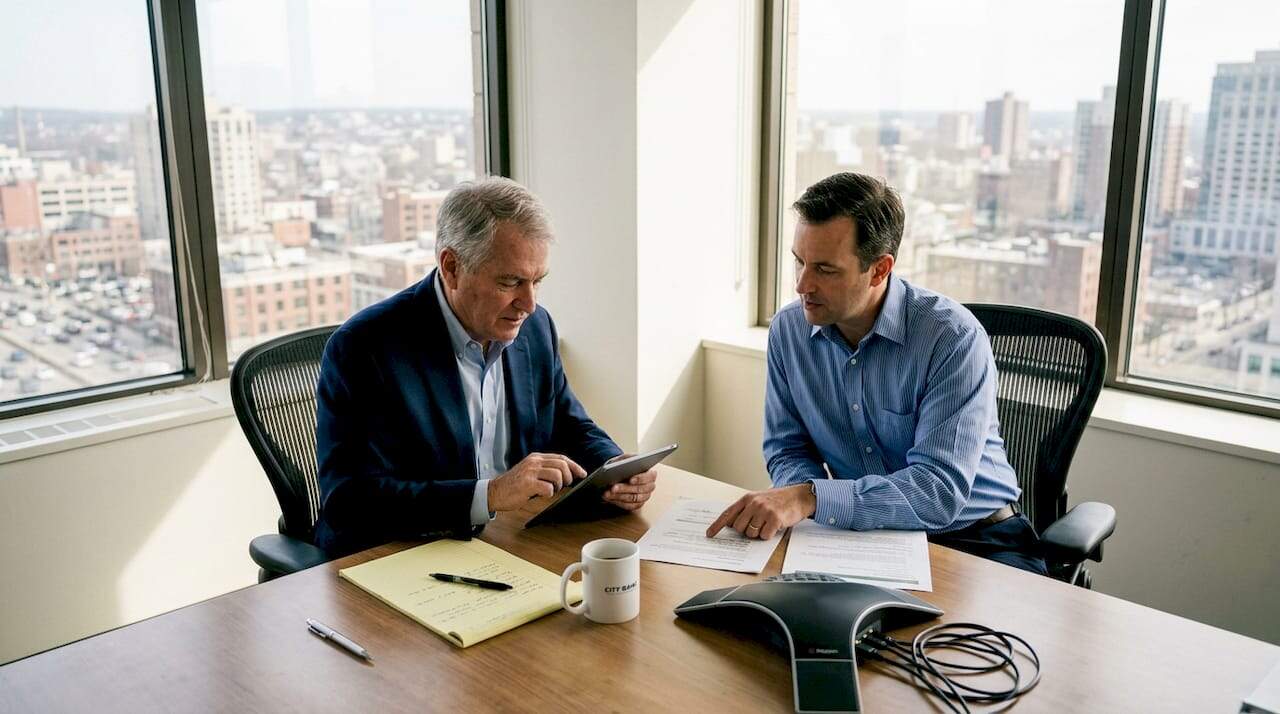
Understanding Team Management Skills
Team management skills are a cornerstone of effective leadership and organizational performance. In a business environment defined by rapid change, cross-functional collaboration, and increasing complexity, the ability to manage teams efficiently is no longer optional—it is a strategic necessity. Strong team management enables leaders to align individual contributions with organizational goals, optimize performance, and cultivate a culture of accountability and engagement.
At its essence, team management involves more than overseeing tasks. It requires the ability to inspire, guide, and support individuals while maintaining a clear focus on outcomes. Leaders must balance operational efficiency with people development, ensuring that team members are both productive and motivated. This dual focus is critical, as engaged employees are more likely to contribute innovative ideas, demonstrate resilience, and sustain high levels of performance over time.
Moreover, effective team management contributes directly to organizational culture. Leaders set the tone for how teams communicate, collaborate, and resolve challenges. By modeling professionalism, transparency, and respect, managers can create an environment where individuals feel valued and empowered to perform at their best.
Best Practices for Effective Team Management
Among the most impactful best practices in team management is clear and consistent communication. Leaders must ensure that expectations, roles, and objectives are well defined and understood by all team members. Ambiguity often leads to inefficiencies, duplication of effort, and misalignment. By contrast, clarity enables teams to operate with confidence and precision.
Regular communication is equally important. Structured check-ins, team meetings, and one-on-one sessions provide opportunities to monitor progress, address challenges, and reinforce priorities. These interactions should not be limited to status updates; they should also encourage dialogue, feedback, and problem-solving. Leaders who actively listen and respond constructively build stronger relationships and foster a culture of openness.
Another critical best practice is setting measurable goals and performance standards. Clear metrics allow teams to track progress and understand how their contributions impact broader organizational objectives. When goals are specific, achievable, and aligned with strategy, they provide a roadmap for success and help maintain focus.
Feedback and performance management also play a vital role. High-performing teams thrive on continuous improvement, which requires timely and actionable feedback. Effective managers provide both recognition and constructive input, helping team members understand their strengths and areas for development. Importantly, feedback should be delivered in a way that motivates rather than discourages, reinforcing a growth-oriented mindset.
Delegation is another essential skill. Leaders who attempt to control every aspect of team operations risk becoming bottlenecks. Instead, effective managers delegate responsibilities based on individual strengths and expertise. This not only improves efficiency but also empowers team members, building confidence and ownership.
Fostering Team Collaboration
Collaboration is a defining characteristic of successful teams, and it requires intentional effort to cultivate. Managers must create an environment where teamwork is encouraged, and diverse perspectives are valued. This begins with establishing psychological safety—ensuring that individuals feel comfortable sharing ideas, asking questions, and expressing differing opinions without fear of negative consequences.
The use of collaboration tools can significantly enhance team effectiveness, particularly in distributed or hybrid work environments. Digital platforms for communication, project management, and knowledge sharing enable seamless coordination and ensure that information is accessible to all team members. However, tools alone are not sufficient; leaders must also promote behaviors that support collaboration, such as active participation, mutual respect, and accountability.
Encouraging cross-functional collaboration is another valuable practice. When teams work across departments or disciplines, they gain access to a broader range of insights and expertise. This often leads to more innovative solutions and better decision-making. Managers should actively facilitate these interactions, breaking down silos and promoting a unified approach to problem-solving.
Recognition and inclusion are also key drivers of collaboration. Acknowledging contributions and celebrating team achievements reinforces positive behaviors and strengthens cohesion. At the same time, inclusive leadership ensures that all voices are heard, creating a richer and more dynamic exchange of ideas.
Finally, leaders must be proactive in addressing barriers to collaboration. This may include resolving interpersonal conflicts, clarifying roles, or adjusting workloads to ensure balance. By identifying and removing obstacles, managers enable teams to function more effectively and maintain momentum.
Conclusion
Mastering team management skills requires a deliberate and consistent application of best practices. Clear communication, structured feedback, effective delegation, and a strong focus on collaboration are all essential components of successful leadership. These practices not only enhance productivity but also contribute to a positive and resilient team culture.
For management professionals, the ability to lead teams effectively is a critical differentiator. By fostering trust, encouraging open dialogue, and aligning efforts with strategic objectives, leaders can unlock the full potential of their teams. The result is not only improved performance but also a more engaged, cohesive, and high-performing organization.