Understanding Leadership Development
In today’s competitive and fast-changing business environment, leadership development is a critical driver of organizational growth and long-term success. It refers to the structured process of enhancing the skills, capabilities, and effectiveness of individuals in leadership roles. By investing in leadership development, organizations ensure that their leaders are well-equipped to guide teams, manage change, and achieve strategic objectives.
Leadership development goes beyond basic training; it focuses on cultivating essential competencies such as communication, decision-making, emotional intelligence, and strategic thinking. These capabilities enable leaders to inspire their teams, foster collaboration, and create a shared vision for success. Organizations that prioritize leadership development are better positioned to build a resilient and adaptable workforce capable of responding to evolving market demands.
Moreover, leadership development helps establish a strong internal pipeline of talent. By identifying and nurturing potential leaders early, businesses can ensure continuity in leadership and reduce the risks associated with talent gaps. This proactive approach supports sustainable growth and organizational stability.
The Impact on Business Growth
Investing in leadership development has a direct and measurable impact on business growth. Strong leaders play a pivotal role in driving performance by setting clear goals, aligning team efforts, and maintaining accountability. Their ability to communicate effectively ensures that employees understand their roles and contribute meaningfully to organizational objectives.
Leadership development also fosters innovation and creativity. Leaders who encourage new ideas and support experimentation create an environment where innovation thrives. This not only enhances problem-solving capabilities but also enables organizations to stay ahead of competitors and adapt to changing market conditions.
Another significant benefit is improved employee engagement and retention. When leaders are skilled and supportive, employees feel valued and motivated. This leads to higher job satisfaction, increased productivity, and reduced turnover. Engaged employees are more likely to contribute positively to the organization’s growth and success.
Furthermore, effective leadership enhances decision-making and risk management. Trained leaders can analyze complex situations, anticipate challenges, and make informed decisions that align with long-term business goals. This capability is essential for navigating uncertainty and capitalizing on emerging opportunities.
Ultimately, organizations with strong leadership development programs are more agile, innovative, and better equipped to achieve sustainable growth in a competitive marketplace.
Strategies for Effective Leadership Development
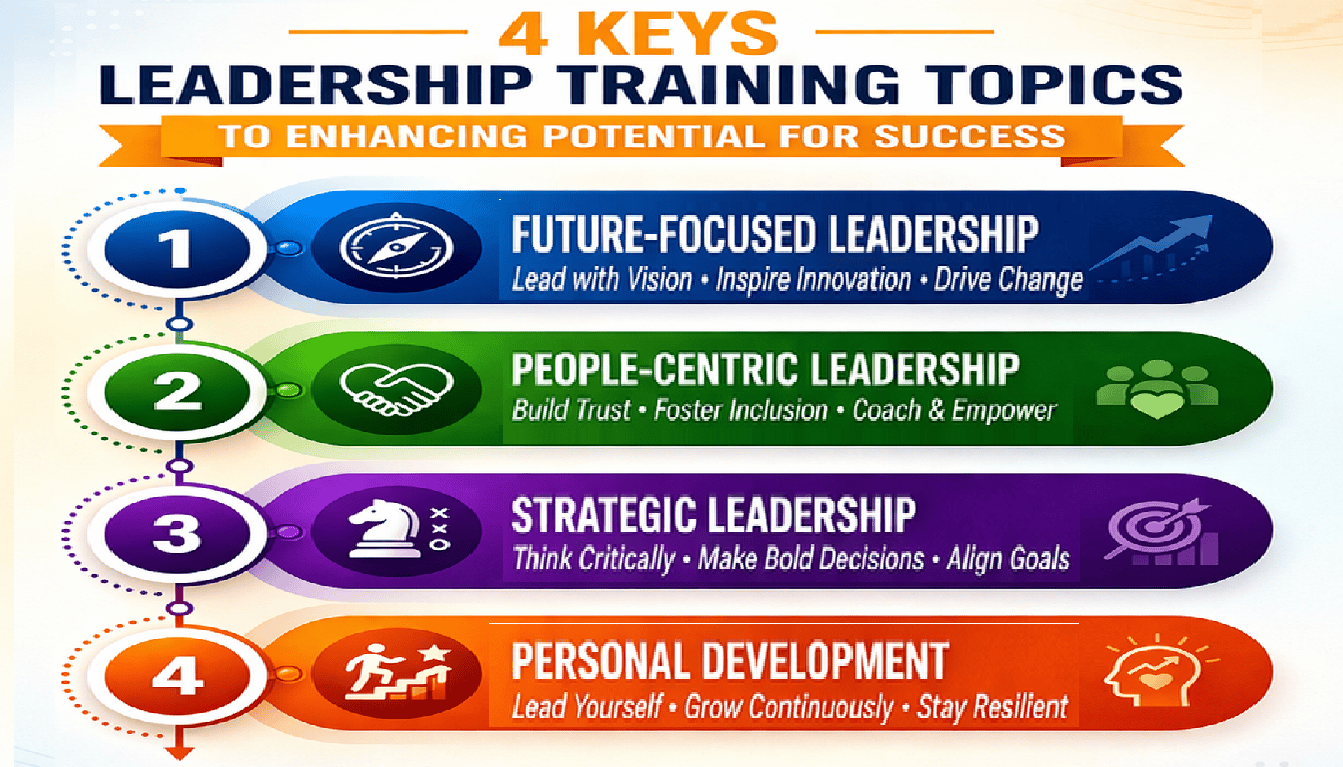
To maximize the benefits of leadership development, organizations must adopt a strategic and comprehensive approach. One of the most effective strategies is implementing mentorship programs, where experienced leaders guide and support emerging talent. Mentorship provides valuable insights, accelerates learning, and helps individuals develop practical leadership skills.
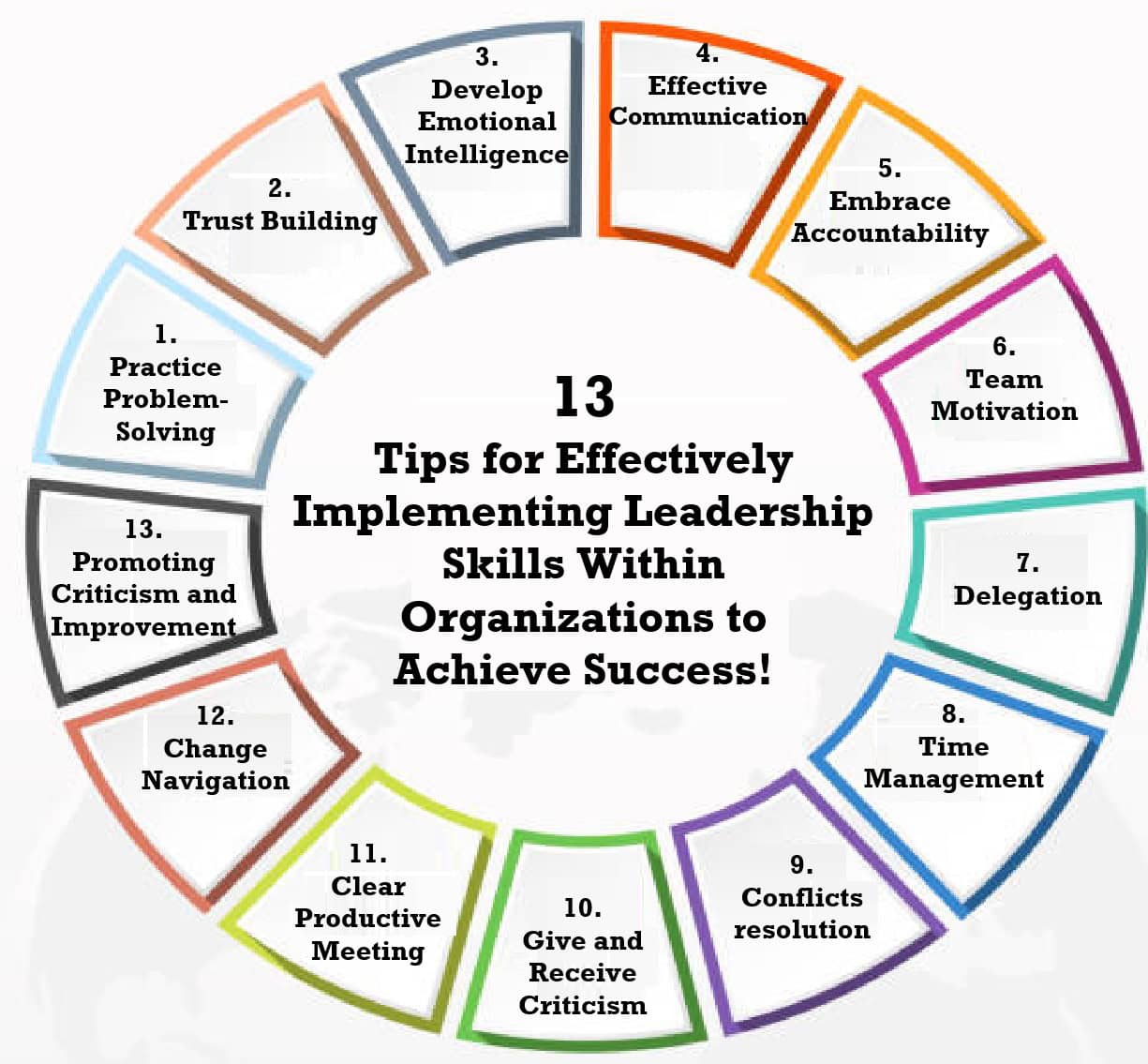
Training workshops and coaching sessions are also essential components of leadership development. These programs offer structured learning opportunities that focus on key competencies such as communication, conflict resolution, and strategic planning. Personalized coaching further enhances development by addressing individual strengths and areas for improvement.
Another important strategy is the use of feedback mechanisms. Regular performance reviews, 360-degree feedback, and open communication channels allow leaders to gain insights into their effectiveness. This feedback helps them refine their skills and adapt their leadership style to better meet organizational needs.
Providing real-world experiences is equally critical. Assigning leadership roles in projects, cross-functional teams, or challenging initiatives enables individuals to apply their knowledge in practical settings. These experiences build confidence, improve decision-making, and strengthen problem-solving abilities.
Additionally, organizations should foster a culture of continuous learning and adaptability. Encouraging leaders to stay updated with industry trends, technologies, and best practices ensures they remain effective in a constantly evolving business environment. Leveraging digital learning platforms and tools can further enhance accessibility and engagement in leadership development programs.
Conclusion
Harnessing leadership development is essential for driving business growth and achieving long-term success. By investing in the development of their leaders, organizations can create a strong foundation for innovation, performance, and employee engagement.
Through strategic initiatives such as mentorship, training, feedback, and real-world experience, businesses can cultivate leaders who are capable of navigating challenges and seizing opportunities. Ultimately, leadership development is not just about improving individual capabilities—it is about building a resilient, forward-thinking organization that is prepared to thrive in an ever-changing marketplace.