Understanding Leadership Development
Leadership development is a vital component for organizations striving to enhance performance, build resilience, and foster a culture of continuous growth. It involves a structured and strategic approach to equipping current and future leaders with the skills, knowledge, and experience necessary to guide teams effectively. In an increasingly complex business environment, organizations must ensure that their leaders are prepared to navigate challenges, drive innovation, and inspire others.
A well-designed leadership development program aligns individual growth with organizational goals. It not only strengthens leadership capabilities but also supports succession planning and long-term sustainability. By incorporating proven best practices, organizations can create impactful development initiatives that deliver measurable results and cultivate a strong leadership pipeline.
1. Identifying Leadership Competencies
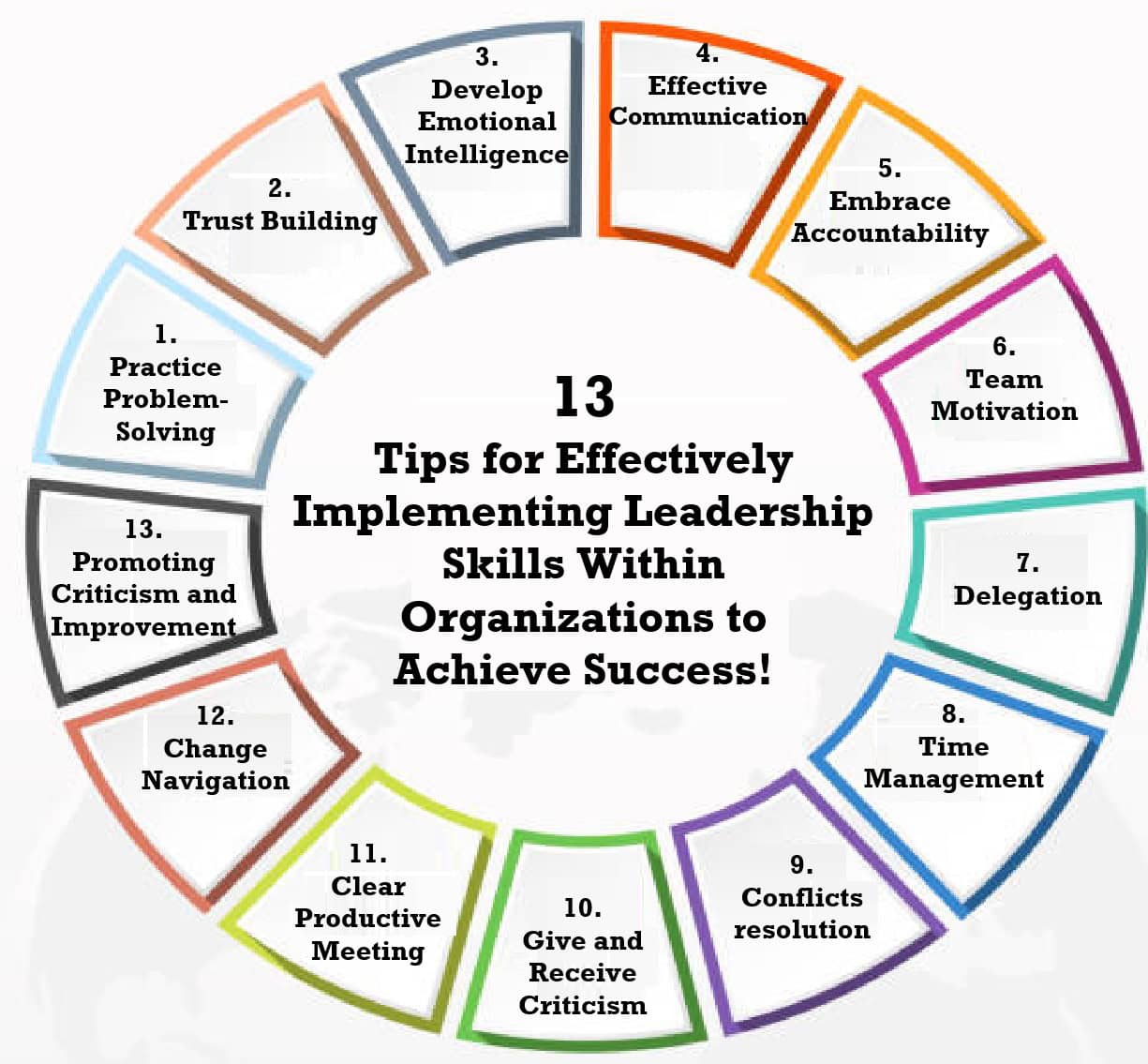
One of the foundational steps in leadership development is identifying the key competencies required for success. Organizations must clearly define the skills, behaviors, and attributes that align with their strategic objectives and culture. These competencies typically include communication, strategic thinking, emotional intelligence, adaptability, and decision-making.
By establishing a clear competency framework, organizations can tailor their development programs to address specific needs. This targeted approach ensures that leaders are not only equipped with general management skills but also possess the capabilities required to excel in their unique roles.
Regular assessments and evaluations can help identify gaps in these competencies, allowing organizations to design personalized development plans. This level of precision enhances the effectiveness of leadership programs and ensures that resources are invested where they have the greatest impact.
2. Implementing Continuous Learning Opportunities
A key best practice in leadership development is fostering a culture of continuous learning. In a rapidly changing business landscape, leaders must remain adaptable and open to new ideas. Organizations should provide a variety of learning opportunities, including workshops, seminars, online courses, and leadership training programs.
Mentorship and coaching are particularly valuable components of continuous learning. Pairing emerging leaders with experienced mentors allows for knowledge sharing, guidance, and support. Coaching sessions, on the other hand, can focus on individual development goals, helping leaders refine their skills and overcome specific challenges.
Incorporating regular feedback mechanisms is also essential. Constructive feedback enables leaders to understand their strengths and areas for improvement, fostering self-awareness and growth. When combined with ongoing learning opportunities, feedback creates a dynamic development process that evolves with the needs of both the individual and the organization.
3. Encouraging Practical Experience
While theoretical knowledge is important, practical experience is crucial for developing effective leadership skills. Organizations should create opportunities for emerging leaders to apply their learning in real-world scenarios. This can include leading projects, managing cross-functional teams, or taking on temporary leadership roles.
Hands-on experience allows individuals to develop critical skills such as problem-solving, decision-making, and team management. It also builds confidence and prepares leaders to handle complex situations with greater ease. By facing real challenges, leaders gain insights that cannot be acquired through training alone.
Additionally, organizations can implement job rotations or stretch assignments to expose leaders to different functions and perspectives. This broadens their understanding of the business and enhances their ability to make strategic decisions. Practical experience, combined with reflection and feedback, accelerates leadership growth and effectiveness.
4. Promoting a Culture of Accountability and Support
Another important best practice is fostering a culture that balances accountability with support. Leaders should be encouraged to take ownership of their development while receiving the guidance and resources needed to succeed. Establishing clear expectations and performance metrics ensures that development efforts are aligned with organizational goals.
At the same time, creating a supportive environment where leaders feel safe to learn from mistakes is essential. Encouraging open communication and collaboration helps build trust and promotes continuous improvement. This balance enables leaders to grow confidently while contributing to the organization’s success.
Conclusion
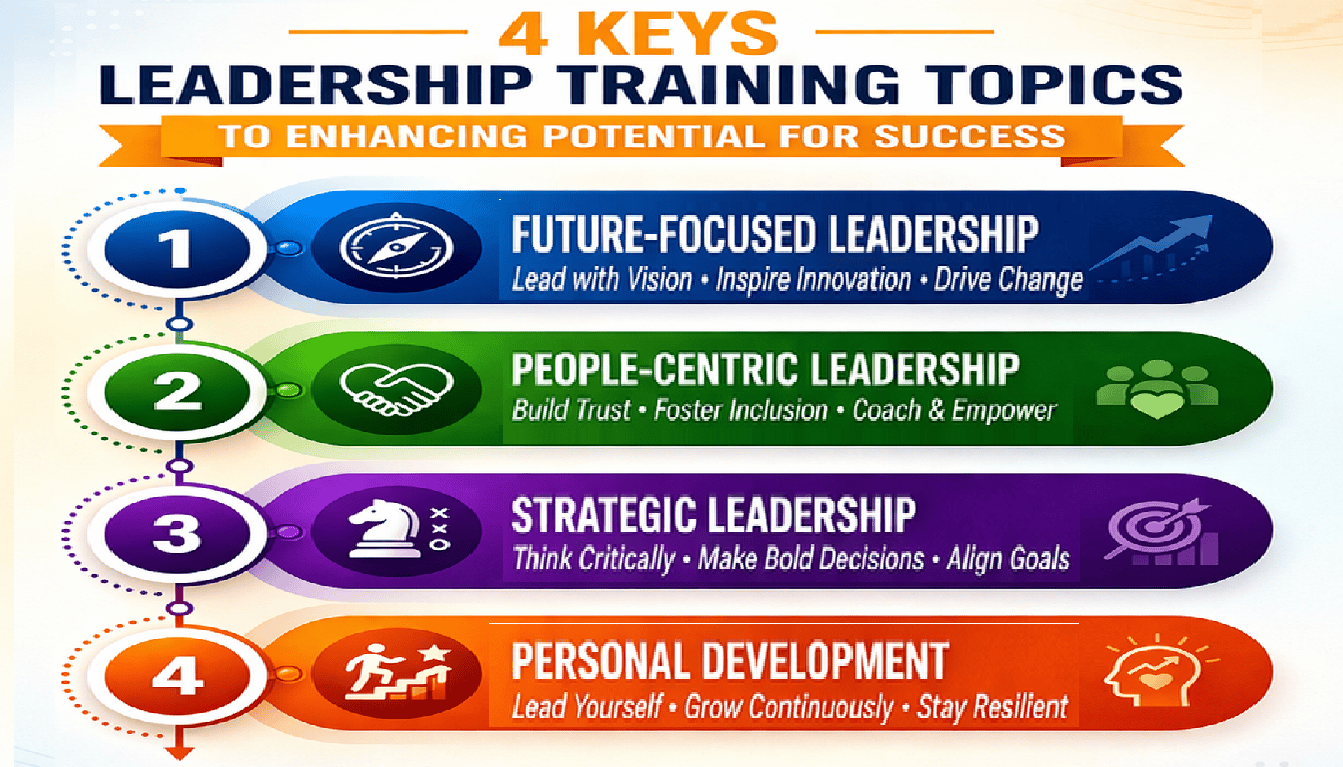
Effective leadership development is a strategic investment that drives organizational success and long-term growth. By identifying key competencies, promoting continuous learning, encouraging practical experience, and fostering a supportive culture, organizations can build strong and capable leaders.
These best practices not only enhance individual performance but also strengthen the organization as a whole. In an ever-changing business environment, companies that prioritize leadership development are better equipped to adapt, innovate, and achieve sustained success.