Understanding Leadership Skills
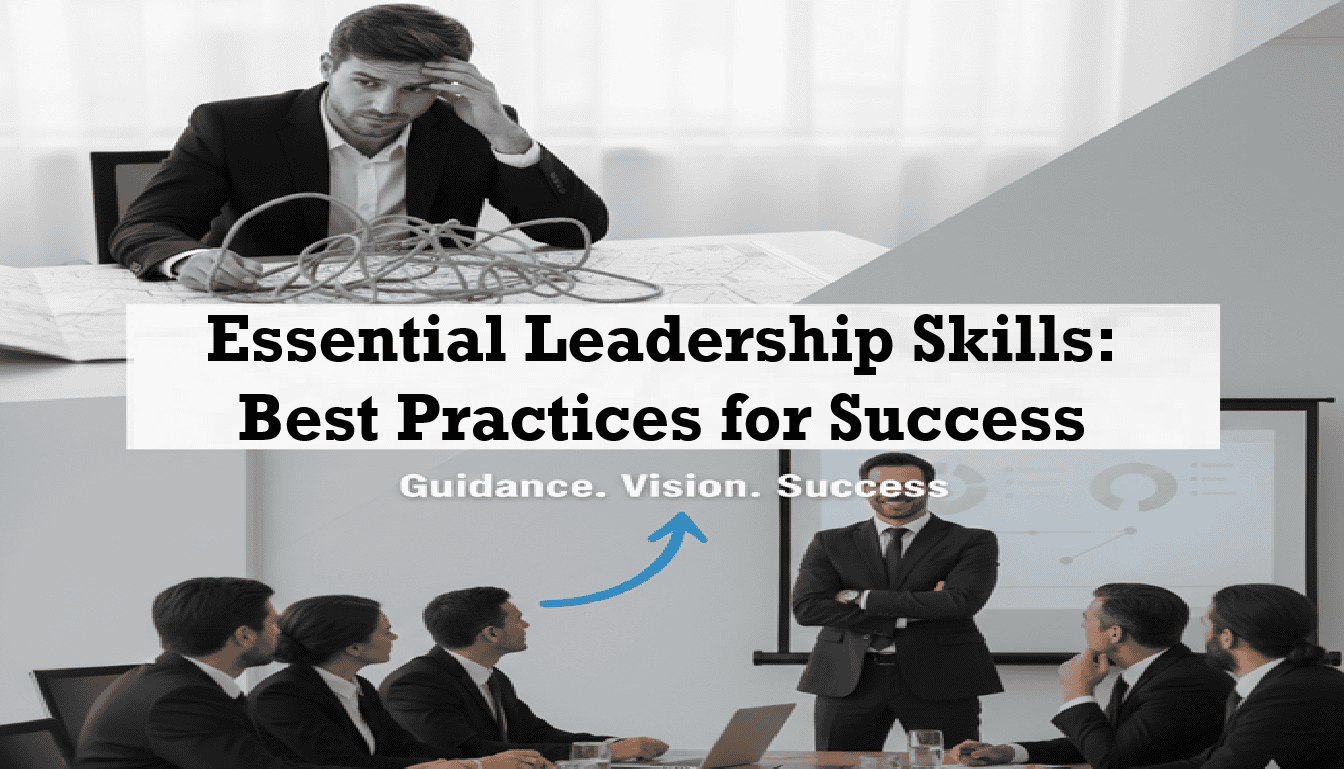
In today’s competitive and rapidly evolving business environment, effective leadership is a cornerstone of sustainable growth. Leadership is no longer limited to directing tasks or managing operations; it involves inspiring individuals, shaping organizational culture, and driving innovation. Strong leadership skills enable organizations to navigate uncertainty, seize opportunities, and maintain a clear strategic direction.
At its foundation, leadership is about influence and impact. Leaders who cultivate a positive and collaborative work environment empower their teams to perform at their best. By fostering trust, encouraging creativity, and promoting accountability, leaders can create a culture where employees feel motivated to contribute meaningfully. This alignment between leadership and organizational goals is essential for long-term success.
Furthermore, leadership plays a critical role in guiding businesses through change. As markets evolve and technologies advance, leaders must remain adaptable while maintaining focus on strategic priorities. This balance between stability and flexibility is key to driving consistent growth.
Key Leadership Skills to Cultivate
To achieve and sustain business growth, leaders must develop a set of essential skills that enable them to guide their teams effectively. Among these, communication stands out as one of the most important. Effective communication involves not only clearly conveying ideas and expectations but also actively listening to team members. Open and transparent communication builds trust, reduces misunderstandings, and ensures alignment across all levels of the organization.
Another vital skill is empathy. Leaders who understand and appreciate the perspectives and emotions of their team members can foster stronger relationships and a more inclusive work environment. Empathy enhances employee engagement, boosts morale, and encourages collaboration, all of which contribute to improved productivity and retention.
Strategic thinking is equally critical for business growth. Leaders must be able to analyze complex situations, anticipate future trends, and make informed decisions that align with long-term objectives. Strategic leaders not only respond to current challenges but also proactively identify opportunities for innovation and expansion.
In addition, adaptability and resilience are increasingly important in today’s dynamic business landscape. Leaders who can adjust their approach in response to changing circumstances are better equipped to guide their organizations through uncertainty. Resilient leaders maintain focus and composure during challenges, setting a positive example for their teams.
Lastly, decision-making skills are fundamental. Effective leaders evaluate information carefully, consider multiple perspectives, and make timely decisions that drive progress. Their ability to balance risk and opportunity plays a significant role in achieving business objectives.
Implementing Leadership Skills for Growth
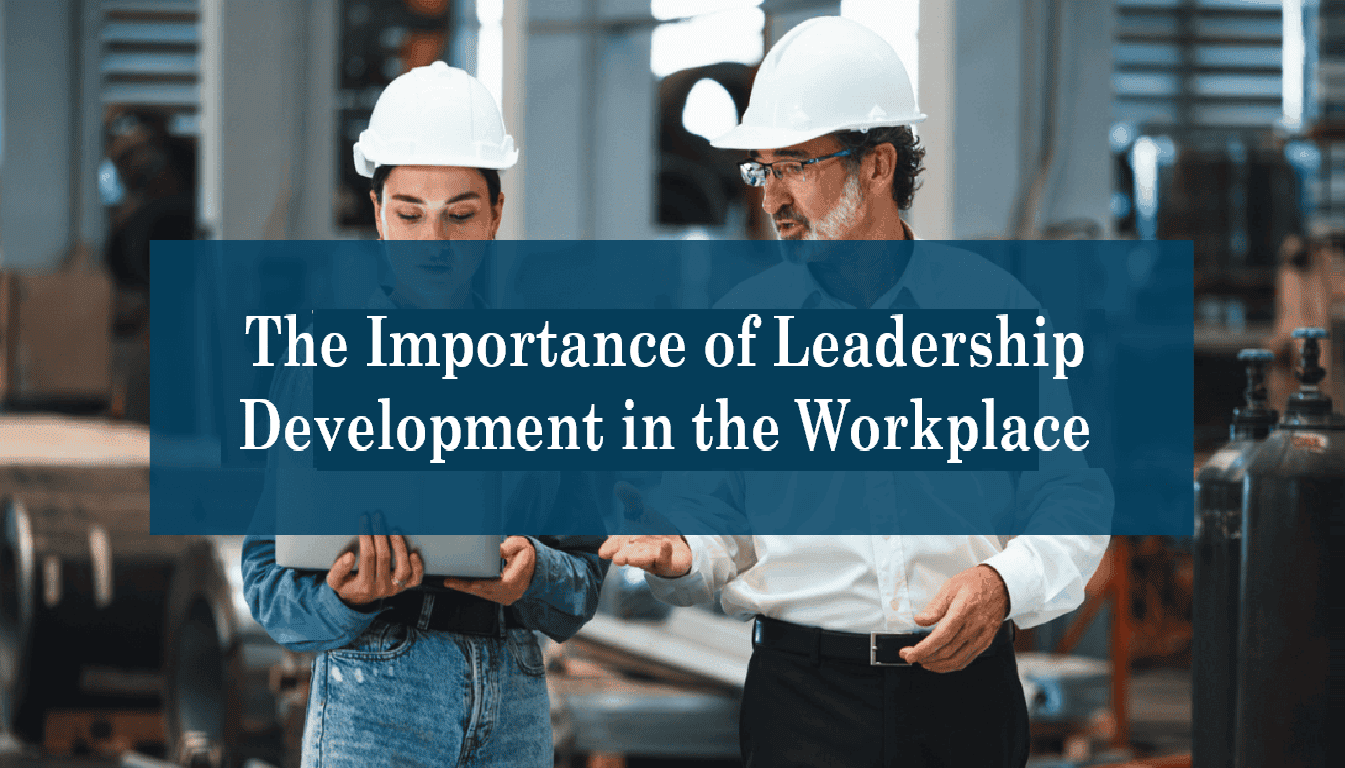
Developing leadership skills is an ongoing process that requires intentional effort and continuous learning. Organizations can support this development by investing in training and development programs. Workshops, leadership seminars, and coaching sessions provide valuable opportunities for leaders to enhance their capabilities and stay updated with best practices.
Creating a culture of continuous feedback is also essential. Encouraging open communication between leaders and team members allows for constructive feedback, which helps identify strengths and areas for improvement. This iterative process enables leaders to refine their approach and adapt to evolving organizational needs.
Mentorship and peer learning can further strengthen leadership development. Experienced leaders can guide emerging leaders, sharing insights and practical knowledge that accelerate growth. Additionally, providing opportunities for leaders to take on new challenges and responsibilities helps them build confidence and expand their skill sets.
Organizations should also promote a collaborative environment where innovation and teamwork are encouraged. When leaders model collaboration and inclusivity, it sets a standard for the entire organization, fostering a culture that supports growth and creativity.
Conclusion
Essential leadership skills are a driving force behind business growth and organizational success. By focusing on communication, empathy, strategic thinking, adaptability, and decision-making, leaders can create a strong foundation for achieving long-term objectives.
However, effective leadership is not static—it evolves with experience and changing circumstances. Organizations that prioritize leadership development and foster a culture of learning are better positioned to thrive in competitive markets. Ultimately, strong leadership not only enhances business performance but also empowers individuals, creating a workplace where innovation, engagement, and success can flourish.