

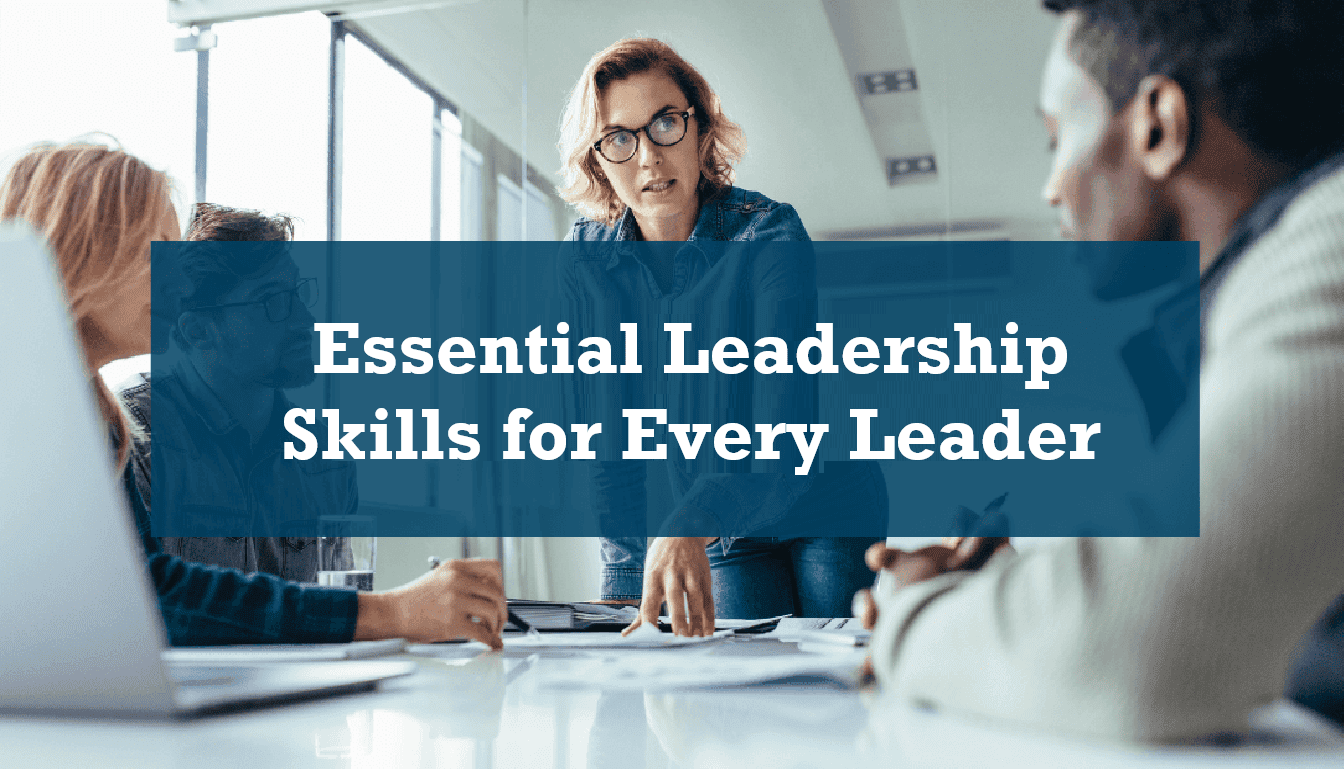
Understanding Leadership Skills
In today’s dynamic and competitive business environment, effective leadership is a critical factor in organizational success. Leadership skills are the abilities and qualities that enable individuals to guide, influence, and inspire others toward achieving shared goals. Whether managing a small team or leading a large organization, possessing strong leadership skills can significantly impact performance, employee engagement, and overall productivity.
At its core, leadership is not just about authority or position—it is about influence and the ability to bring out the best in others. Effective leaders create a clear vision, foster trust, and cultivate an environment where individuals feel motivated to contribute their skills and ideas. By doing so, they build cohesive teams that are capable of navigating challenges and driving sustainable growth.
Moreover, leadership requires adaptability. As organizations face constant change, leaders must be prepared to respond to evolving circumstances while maintaining stability and direction. This balance between flexibility and consistency is what distinguishes exceptional leaders from average ones.
Key Leadership Skills
There are several essential leadership skills that every effective leader should develop. Among the most important are communication, decision-making, and emotional intelligence.
Communication is the foundation of successful leadership. It goes beyond simply delivering information; it involves actively listening, understanding different perspectives, and fostering open dialogue. Leaders who communicate clearly and transparently can build trust and ensure that team members are aligned with organizational objectives. Effective communication also reduces misunderstandings and enhances collaboration across teams.
Decision-making is another critical leadership skill. Leaders are often required to make complex decisions under pressure, and their choices can have significant consequences. Strong decision-making involves analyzing relevant information, evaluating risks, and considering both short-term and long-term impacts. Effective leaders are confident in their decisions but remain open to feedback and willing to adjust when necessary.
Emotional intelligence (EI) is equally vital in leadership. It refers to the ability to recognize, understand, and manage one’s own emotions while also being sensitive to the emotions of others. Leaders with high emotional intelligence can build stronger relationships, resolve conflicts effectively, and create a positive work environment. This skill is particularly important in fostering teamwork and maintaining morale during challenging times.
In addition to these core skills, successful leaders often demonstrate adaptability, integrity, and strategic thinking. Adaptability allows leaders to respond effectively to change, while integrity builds credibility and trust. Strategic thinking enables leaders to anticipate future trends and align their teams with long-term objectives.
Improving Your Leadership Skills
Leadership development is a continuous process that requires self-awareness, commitment, and a willingness to learn. One of the most effective ways to improve leadership skills is by seeking regular feedback from peers, mentors, and team members. Constructive feedback provides valuable insights into strengths and areas for improvement, helping leaders refine their approach.
Engaging in professional development opportunities, such as workshops, training programs, and leadership seminars, can also enhance skills. These experiences expose individuals to new ideas, tools, and best practices that can be applied in real-world situations.
Additionally, reading and continuous learning play a crucial role in leadership growth. Books, articles, and case studies offer diverse perspectives and strategies that can inspire new ways of thinking. Leaders who invest in their personal development are better equipped to handle complex challenges and lead effectively.
Another important aspect is practical experience. Leadership skills are best developed through hands-on practice. Taking on new responsibilities, leading projects, and navigating real-life challenges help individuals build confidence and competence over time. Reflecting on these experiences further strengthens learning and improvement.
Conclusion
Essential leadership skills are the cornerstone of effective management and organizational success. By mastering communication, decision-making, and emotional intelligence, leaders can inspire their teams, foster collaboration, and drive meaningful results.
However, leadership is not a destination but an ongoing journey of growth and development. Those who continuously seek to improve, adapt to change, and invest in their skills are more likely to become impactful and influential leaders. Ultimately, strong leadership not only benefits the organization but also empowers individuals to reach their full potential, creating a culture of excellence and sustained success.

