Understanding Team Dynamics
Effective team management begins with a deep understanding of team dynamics. Every team is composed of individuals with diverse personalities, skill sets, experiences, and work styles. These differences, when managed effectively, become a source of strength rather than friction. Leaders who invest time in understanding their team members are better positioned to allocate responsibilities strategically, enhance collaboration, and prevent potential conflicts.
A key aspect of managing team dynamics is recognizing both formal and informal roles within the group. While formal roles are defined by job descriptions, informal roles often emerge based on personality and influence. Identifying these patterns allows managers to better navigate group interactions and leverage individual strengths. For example, some team members may naturally take on leadership responsibilities, while others may excel in analytical or creative tasks.
Equally important is fostering a sense of inclusion and belonging. Employees who feel valued are more likely to engage actively and contribute meaningfully. This requires managers to demonstrate fairness, respect diverse viewpoints, and ensure equal opportunities for participation. By cultivating an inclusive environment, leaders can unlock higher levels of innovation and commitment within their teams.
Establishing Clear Communication
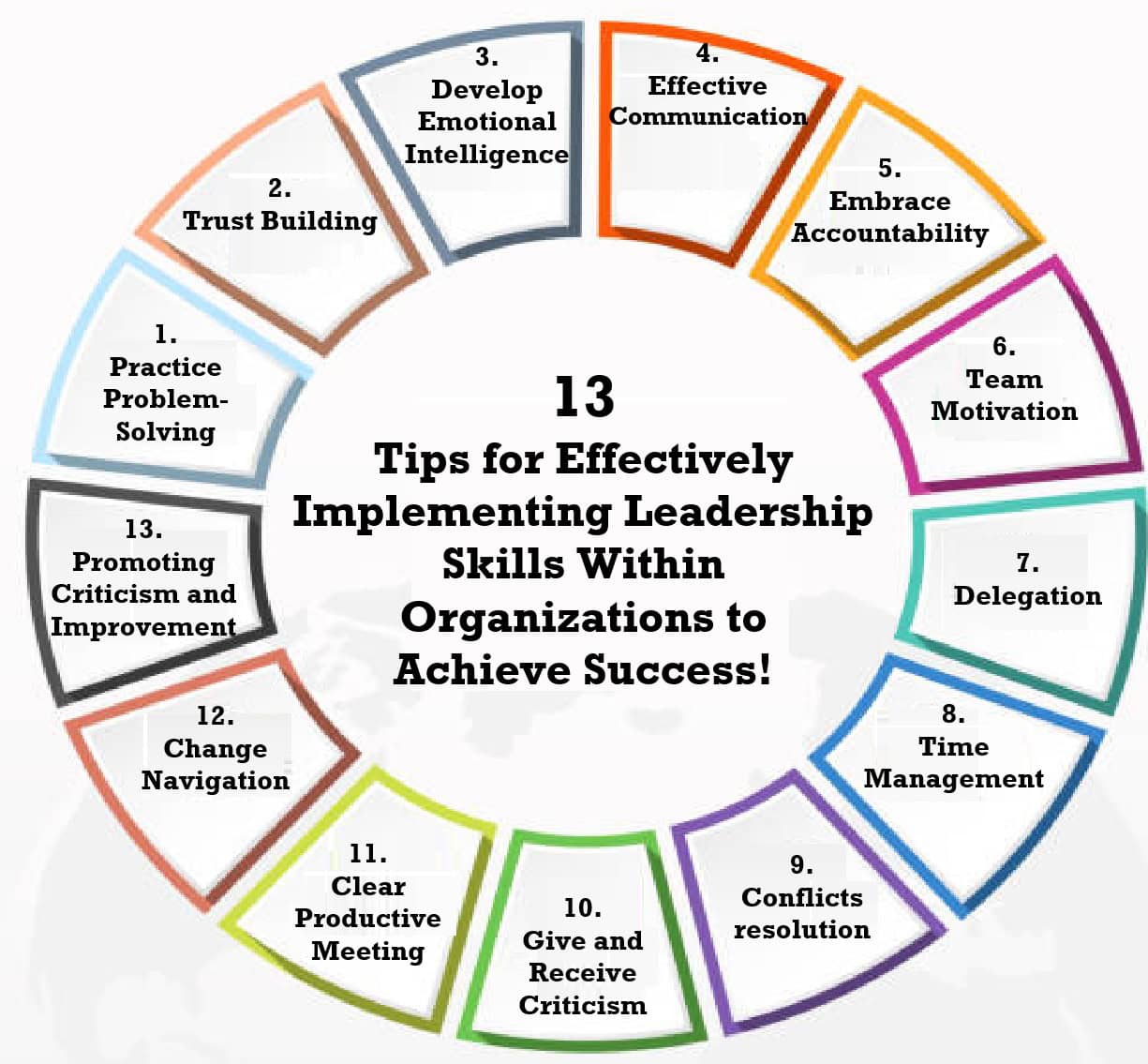
Clear and consistent communication is one of the most critical pillars of successful team management. Without it, even the most talented teams can struggle with misalignment and inefficiency. Managers must create structured communication channels that facilitate both information sharing and open dialogue.
Regular team meetings are essential for aligning priorities, reviewing progress, and addressing challenges. However, effective communication extends beyond scheduled interactions. An open-door policy—whether physical or virtual—encourages team members to raise concerns, share ideas, and seek clarification when needed. This accessibility builds trust and reduces the likelihood of misunderstandings escalating into larger issues.
In addition, leveraging digital communication tools can significantly improve coordination, especially in hybrid or remote work environments. Platforms for messaging, project tracking, and document sharing ensure that information flows seamlessly across the team. That said, technology should complement—not replace—human interaction. Managers must strike a balance between efficiency and personal connection to maintain engagement.
Active listening is another essential component of communication. Leaders who listen attentively to their team members demonstrate respect and gain valuable insights into team sentiment and potential challenges. This two-way communication approach fosters transparency and strengthens relationships.
Setting Goals and Expectations
Clarity around goals and expectations is fundamental to team performance. High-performing teams operate with a shared understanding of what they are trying to achieve and how success will be measured. Managers play a crucial role in defining these objectives and ensuring alignment with broader organizational priorities.
Effective goal-setting involves establishing specific, measurable, achievable, relevant, and time-bound (SMART) objectives. These provide a clear roadmap for the team and enable individuals to track their progress. When goals are well-defined, team members can prioritize their efforts more effectively and remain focused on outcomes that matter.
Equally important is clarifying roles and responsibilities. Ambiguity in this area often leads to duplication of effort or gaps in accountability. Managers should ensure that each team member understands their contributions and how they connect to the overall mission. This clarity not only improves efficiency but also reinforces a sense of ownership.
Performance monitoring and feedback are integral to maintaining alignment. Regular check-ins allow managers to assess progress, address obstacles, and adjust priorities as needed. Constructive feedback helps individuals improve while reinforcing positive behaviors. When delivered effectively, feedback becomes a powerful tool for both performance enhancement and professional development.
Strengthening Accountability and Trust
Accountability and trust are the foundation of any successful team. Managers must establish a culture where individuals take responsibility for their work while supporting one another in achieving shared goals. This begins with setting clear expectations and following through consistently.
Trust is built over time through transparency, reliability, and fairness. Leaders who communicate openly, honor commitments, and treat team members equitably create an environment where trust can thrive. In such settings, employees are more willing to collaborate, share ideas, and take calculated risks.
Encouraging accountability does not mean adopting a punitive approach. Instead, it involves creating a system where individuals are empowered to own their responsibilities and learn from outcomes. Recognizing achievements and addressing underperformance constructively ensures that accountability remains positive and growth-oriented.
Conclusion
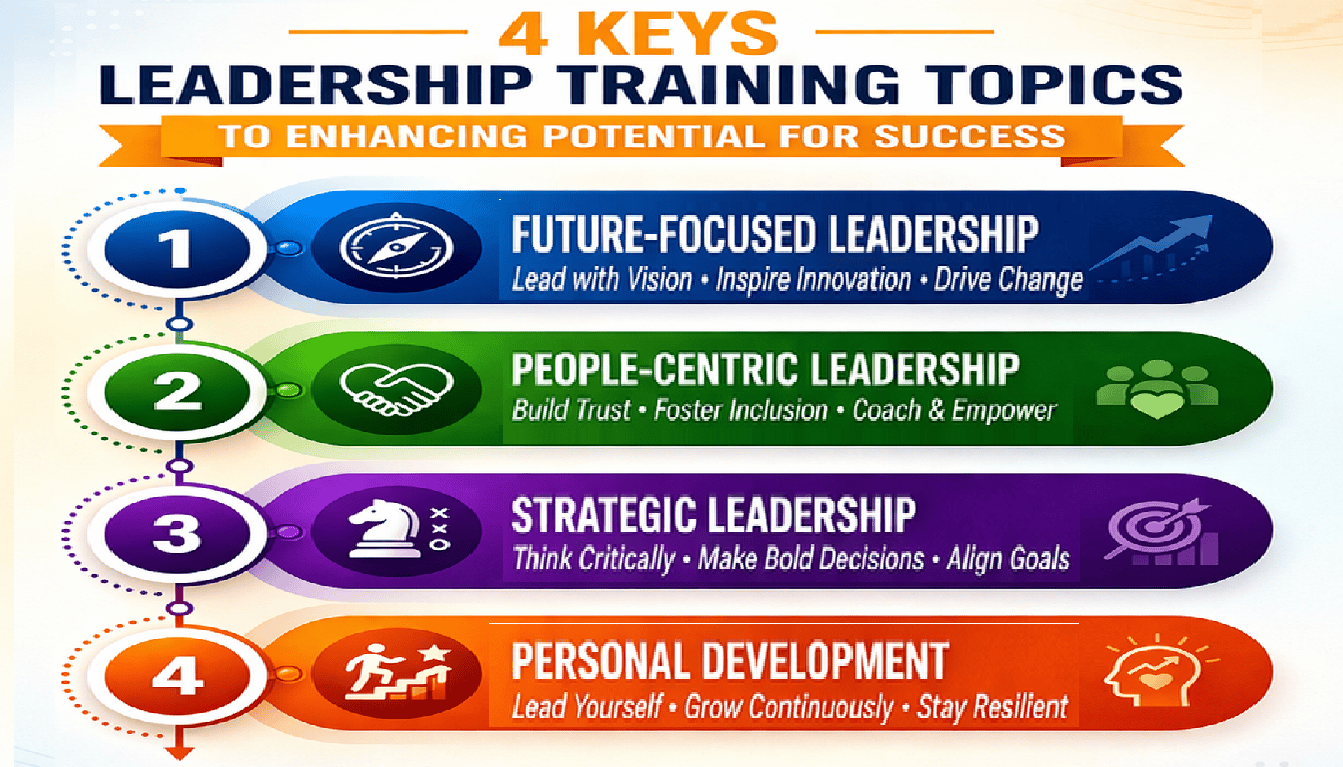
Effective team management in a workplace environment requires a strategic and people-centered approach. By understanding team dynamics, establishing clear communication, and setting well-defined goals, leaders can create a strong foundation for success. Complementing these efforts with a focus on accountability and trust further enhances team cohesion and performance.
For managers, the ability to lead teams effectively is a critical driver of organizational success. By consistently applying these strategies, leaders can foster a productive, engaged, and collaborative work environment—one where both individuals and the organization can thrive..