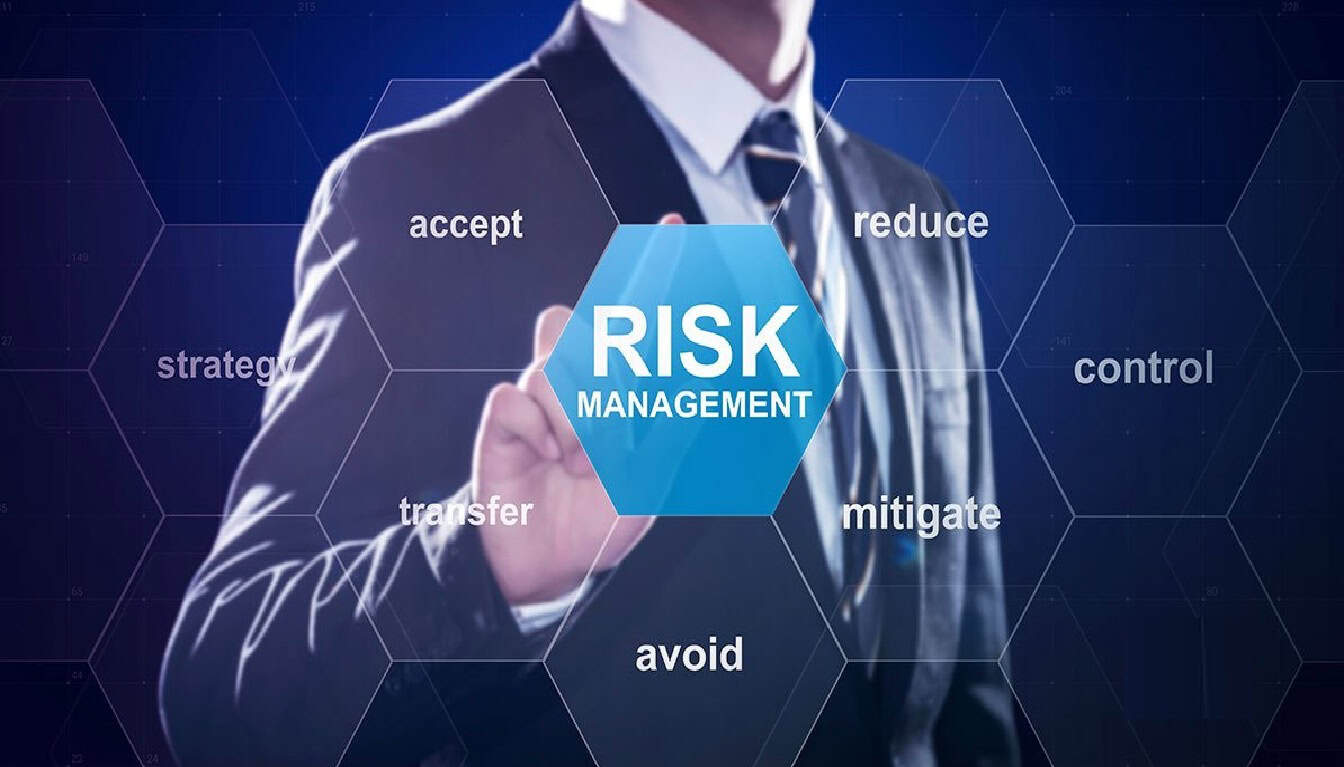
Understanding Risk Management
Risk management is a fundamental component of modern business operations, involving the systematic identification, evaluation, and mitigation of potential threats that could impact organizational objectives. In today’s dynamic and highly competitive environment, businesses face a wide array of risks, including financial uncertainties, operational disruptions, technological changes, and market volatility.
A well-structured risk management approach enables organizations to anticipate these challenges and respond proactively rather than reactively. By integrating risk management into strategic planning, businesses can not only protect their assets but also create a stable foundation for sustainable growth.
Importantly, risk management is not solely about minimizing losses—it is also about enabling smarter decision-making. When risks are clearly understood, organizations can confidently pursue new opportunities while maintaining control over potential downsides.
The Importance of Risk Management in Business Growth
Effective risk management plays a pivotal role in driving business growth. Organizations that actively manage risks are better positioned to navigate uncertainty and capitalize on emerging opportunities. By addressing potential threats early, companies can avoid costly disruptions and maintain operational continuity.
One of the key benefits of robust risk management is increased confidence in decision-making. Leaders can evaluate opportunities with a clear understanding of associated risks, allowing them to take calculated actions that support growth objectives. This balance between risk and reward is essential for innovation and expansion.
Additionally, risk management fosters a culture of accountability and resilience. Employees become more aware of potential challenges and are better equipped to respond effectively. This proactive mindset strengthens the organization’s ability to adapt to change and maintain performance under pressure.
Furthermore, organizations with strong risk management practices often gain greater trust from stakeholders, including investors, customers, and partners. This trust can lead to increased investment, stronger collaborations, and enhanced reputation—all of which contribute to long-term growth and success.
Key Strategies for Risk Management
To effectively manage risks and support business growth, organizations should implement a range of strategic approaches:
1. Risk Assessment
Regular risk assessment is essential for identifying and evaluating potential threats. This involves analyzing both internal and external factors that could impact operations, finances, or strategic goals. By prioritizing risks based on their likelihood and impact, organizations can focus their efforts on the most critical areas.
2. Developing Contingency Plans
Preparing for potential risks is crucial for minimizing disruption. Contingency planning involves creating clear, actionable responses for various risk scenarios. These plans ensure that organizations can act quickly and effectively when challenges arise, reducing downtime and maintaining business continuity.
3. Education and Training
Building awareness among employees is a key component of effective risk management. Training programs help staff understand potential risks, recognize warning signs, and respond appropriately. An informed workforce is better equipped to contribute to a proactive risk management culture.
4. Continuous Monitoring
The risk environment is constantly evolving, making ongoing monitoring essential. Organizations should regularly review their risk management strategies and adjust them as needed to address new challenges. This adaptive approach ensures that risk management remains relevant and effective.
5. Leveraging Technology and Data
Modern tools such as data analytics, automation, and risk management software can enhance the identification and analysis of risks. These technologies provide real-time insights, enabling faster and more informed decision-making.
Conclusion
Effective risk management is a critical driver of sustainable business growth. By adopting a proactive and strategic approach, organizations can protect their assets, improve decision-making, and build resilience in the face of uncertainty.
Rather than viewing risk as a barrier, successful businesses treat it as an integral part of their growth strategy. By balancing risk and opportunity, companies can innovate, expand, and thrive in an ever-changing marketplace. Ultimately, strong risk management practices empower organizations to move forward with confidence, ensuring long-term success and stability