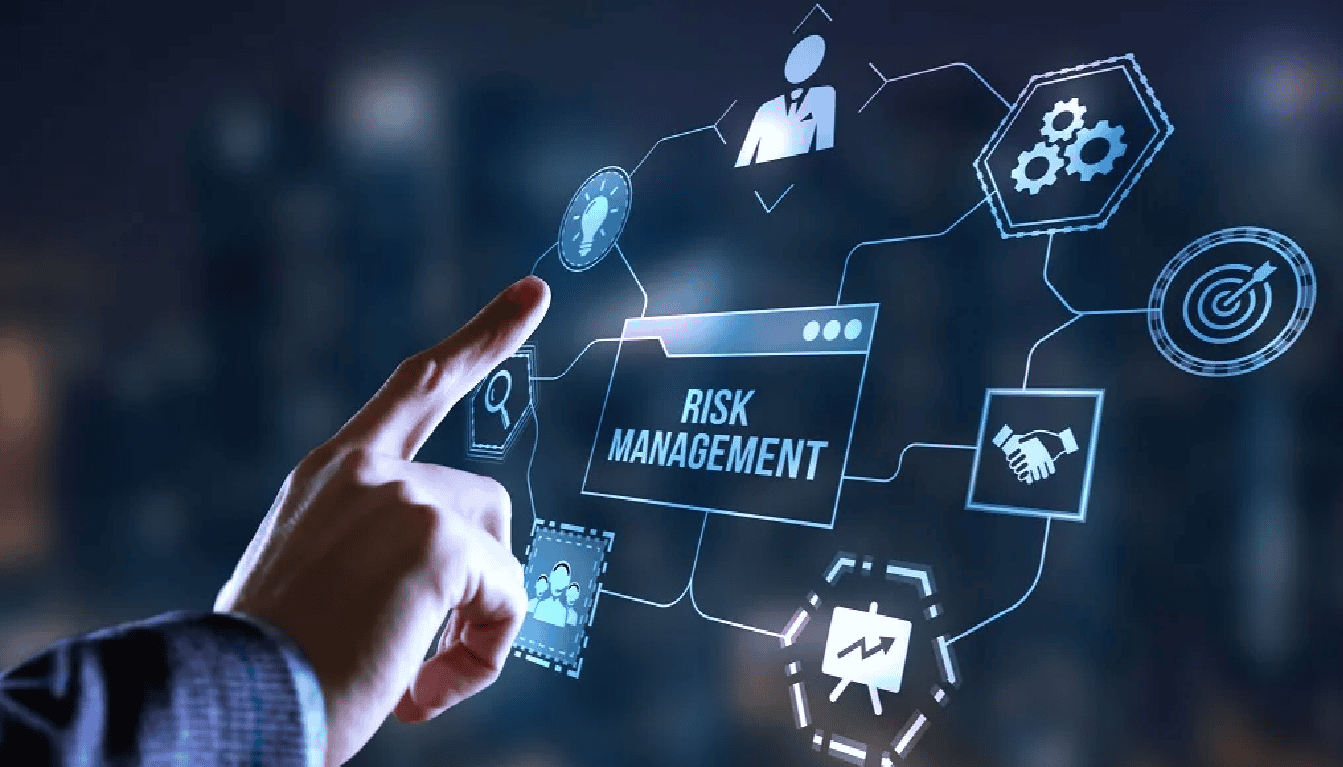
What is Risk Management?
Risk management is a systematic and proactive process that involves identifying, assessing, and prioritizing potential risks, followed by coordinated efforts to minimize, monitor, and control their impact. In an increasingly complex and uncertain business environment, organizations must be prepared to address a wide range of risks, including financial instability, operational disruptions, technological failures, and regulatory challenges.
Rather than reacting to problems after they arise, effective risk management enables organizations to anticipate potential threats and take preventive action. This structured approach not only reduces the likelihood of negative outcomes but also ensures that businesses can continue operating smoothly even during periods of uncertainty.
Importantly, risk management is not solely about avoiding losses—it also supports strategic decision-making. By understanding both risks and opportunities, organizations can make informed choices that balance potential rewards with acceptable levels of exposure.
The Importance of Risk Management
Risk management plays a vital role in ensuring the stability and long-term success of an organization. One of its primary benefits is the protection of assets. By identifying vulnerabilities early, businesses can implement safeguards to prevent financial loss, operational inefficiencies, or reputational damage.
Another key advantage is improved decision-making. When leaders have a clear understanding of potential risks, they can make more informed and confident choices. This reduces uncertainty and allows organizations to pursue growth opportunities while maintaining control over possible downsides.
Additionally, effective risk management enhances resource optimization. Organizations can allocate their time, budget, and workforce more efficiently by focusing on areas with the highest risk exposure. This strategic allocation of resources strengthens overall performance and resilience.
Risk management also supports regulatory compliance. Many industries are governed by strict laws and standards, and failure to comply can result in penalties or legal complications. A robust risk management framework helps ensure that organizations meet these requirements consistently.
Ultimately, fostering a culture of risk awareness across the organization encourages employees at all levels to be proactive, responsible, and prepared to respond to potential challenges.
Key Steps in the Risk Management Process
To implement an effective risk management strategy, organizations should follow a structured and continuous process:
1. Risk Identification
The first step is to identify potential risks that could impact the organization’s objectives. These risks may stem from internal sources such as process inefficiencies or external factors like market fluctuations, technological changes, or economic conditions.
A comprehensive approach to risk identification often involves collaboration across departments, ensuring that no significant risks are overlooked.
2. Risk Assessment
Once risks are identified, they must be evaluated to determine their likelihood and potential impact. This step helps organizations prioritize risks based on their severity and urgency.
Both qualitative and quantitative methods can be used to assess risks, providing a clearer understanding of how they may affect operations, finances, and strategic goals.
3. Risk Mitigation
After assessing risks, organizations develop strategies to manage them effectively. Risk mitigation may involve reducing the likelihood of occurrence, minimizing the impact, transferring the risk (such as through insurance), or accepting it when appropriate.
Implementing preventive measures, improving internal controls, and investing in technology are common mitigation strategies that enhance organizational resilience.
4. Monitoring and Review
Risk management is not a one-time activity but an ongoing process. Continuous monitoring ensures that emerging risks are identified promptly and that existing strategies remain effective.
Regular reviews allow organizations to adapt to changing environments, refine their approaches, and maintain a strong risk management framework.
Conclusion
Understanding the fundamentals of risk management is essential for organizations aiming to achieve sustainable success in an unpredictable world. By proactively identifying and addressing risks, businesses can protect their assets, improve decision-making, and enhance operational efficiency.
A well-implemented risk management strategy not only minimizes potential threats but also positions organizations to seize opportunities with confidence. As the business landscape continues to evolve, those that prioritize risk management will be better equipped to navigate challenges and maintain a competitive advantage.