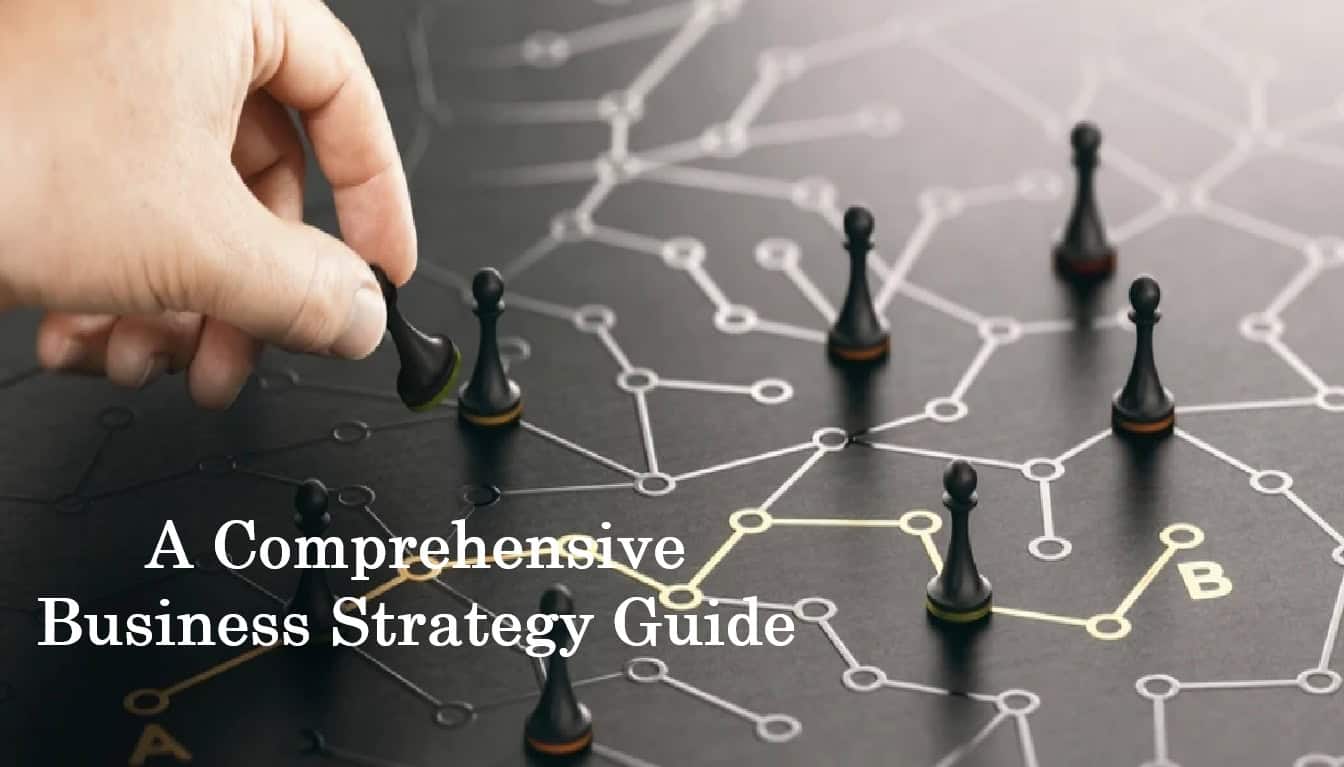
Understanding Business Strategy
A well-defined business strategy is the foundation of any successful organization. It provides a clear direction and outlines how a company will achieve its long-term goals while maintaining a competitive advantage in the marketplace. A strong strategy not only defines where the organization wants to go but also establishes how it will get there.
In an increasingly dynamic and competitive environment, businesses must carefully analyze market trends, customer needs, and competitive forces. This understanding allows organizations to position themselves effectively and respond proactively to changes. A comprehensive business strategy ensures that all departments and functions are aligned toward common objectives, enabling efficient decision-making and optimal resource utilization.
Ultimately, a business strategy acts as a roadmap that guides organizational growth, innovation, and sustainability.
Key Components of an Effective Strategy
Developing a robust business strategy requires a structured approach that incorporates several essential components:
1. Vision and Mission
The vision statement defines the long-term aspirations of the organization. It provides a clear picture of what the company aims to achieve in the future. In contrast, the mission statement outlines the organization’s core purpose and the value it delivers to customers.
Together, the vision and mission serve as guiding principles that influence strategic decisions and organizational culture.
2. Strategic Objectives
Clear objectives are critical for translating the vision and mission into actionable goals. These objectives should follow the SMART framework:
- Specific – Clearly defined and focused
- Measurable – Quantifiable to track progress
- Achievable – Realistic and attainable
- Relevant – Aligned with overall business goals
- Time-bound – Set within a defined timeframe
Well-defined objectives provide direction and enable organizations to measure success effectively.
3. Market and Competitive Analysis
Understanding the external environment is essential for strategic success. This involves analyzing industry trends, customer behavior, and competitor strategies.
Tools such as SWOT analysis (Strengths, Weaknesses, Opportunities, Threats) help organizations assess their internal capabilities and external opportunities. Additionally, frameworks like PESTLE analysis (Political, Economic, Social, Technological, Legal, Environmental) provide insights into macro-environmental factors that may impact the business.
4. Value Proposition and Differentiation
A strong value proposition defines what makes a company unique and why customers should choose its products or services. Differentiation can be achieved through quality, innovation, pricing, customer service, or brand reputation.
A compelling value proposition helps businesses stand out in competitive markets and build lasting customer relationships.
5. Resource Allocation and Capabilities
Effective strategy requires the efficient allocation of resources, including financial capital, human talent, and technology. Organizations must ensure that resources are aligned with strategic priorities to maximize impact.
Developing core capabilities and leveraging strengths enables businesses to execute their strategies successfully.
Implementing Your Business Strategy
A strategy is only as effective as its execution. Implementation involves translating strategic plans into actionable initiatives and ensuring that all parts of the organization work cohesively.
1. Action Planning and Execution
Organizations should develop detailed action plans that outline tasks, responsibilities, timelines, and required resources. Clear accountability ensures that each team member understands their role in achieving strategic objectives.
2. Communication and Alignment
Effective communication is essential for successful implementation. Leaders must clearly communicate the strategy across all levels of the organization to ensure alignment and commitment.
When employees understand how their roles contribute to the overall strategy, they are more engaged and motivated.
3. Leadership and Change Management
Strong leadership is critical in driving strategic initiatives. Leaders must foster a culture that embraces change, encourages innovation, and supports continuous improvement.
Managing change effectively helps organizations overcome resistance and adapt to new strategic directions.
Evaluating and Improving Strategy
Continuous evaluation is vital to ensure that the strategy remains relevant and effective in a changing environment.
1. Performance Measurement
Organizations should establish key performance indicators (KPIs) to track progress against strategic objectives. These metrics provide insights into performance and highlight areas that require improvement.
2. Strategic Review and Adaptation
Regular strategic reviews allow businesses to assess their progress and make necessary adjustments. Changes in market conditions, customer preferences, or competitive dynamics may require modifications to the strategy.
Flexibility and adaptability are essential for maintaining long-term success.
3. Continuous Improvement
A successful business strategy is not static. Organizations must embrace a culture of continuous learning and improvement. By analyzing successes and failures, businesses can refine their strategies and enhance future performance.
Conclusion
A comprehensive business strategy is essential for guiding an organization toward long-term success. By clearly defining vision, mission, and objectives, conducting thorough analysis, and ensuring effective implementation, businesses can achieve sustainable growth and competitive advantage.
In a rapidly evolving business landscape, the ability to adapt and continuously improve is critical. Organizations that develop and execute strong strategies are better positioned to navigate challenges, seize opportunities, and achieve lasting success.