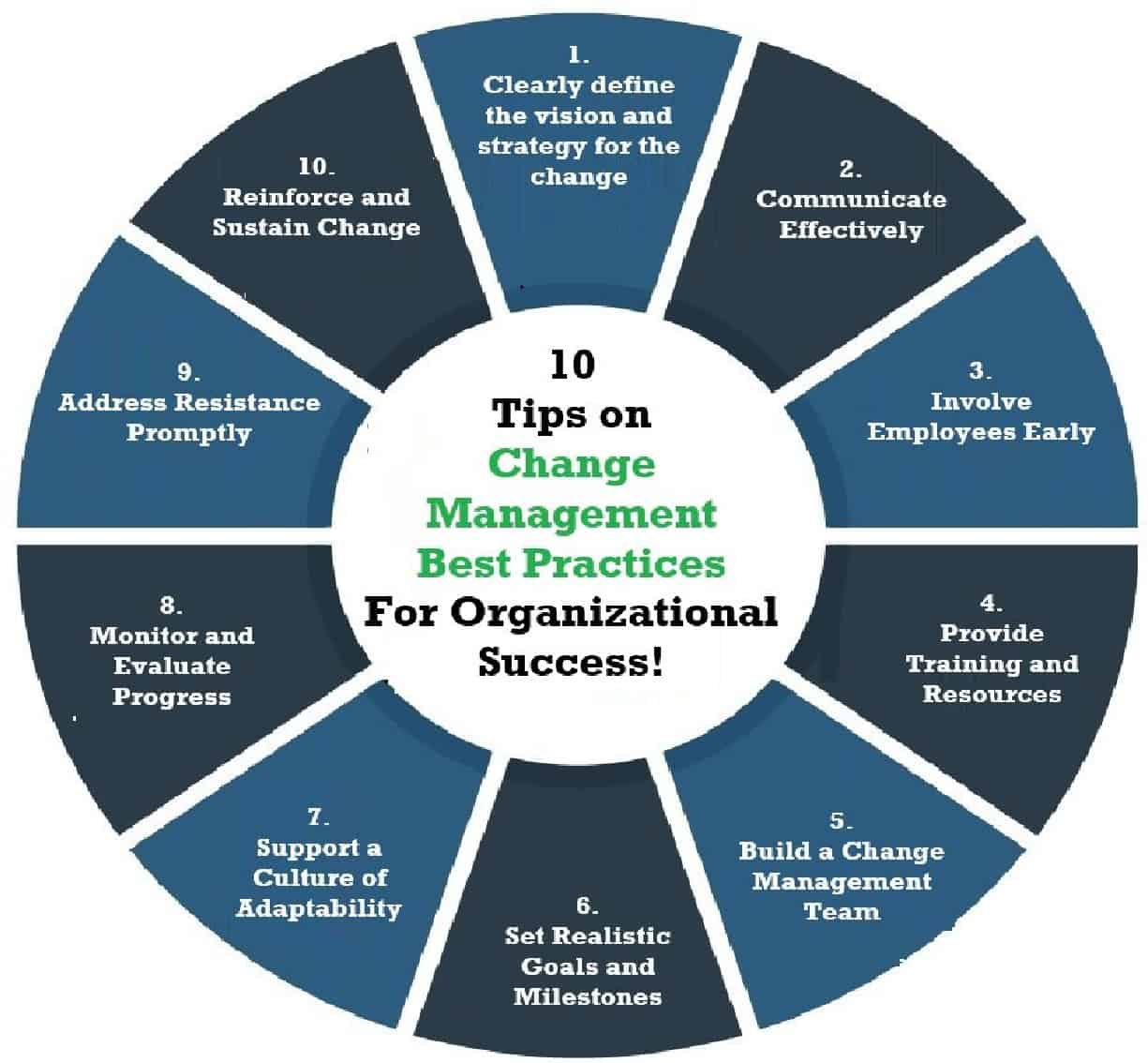
Business leaders face an increasingly complex landscape when selecting growth strategies that deliver sustainable results. With 80% of value creation coming from existing markets yet 78% of organizations failing to scale effectively post-product-market fit, the stakes have never been higher. This article presents a practical framework for evaluating and implementing proven organizational growth strategies backed by data-driven insights and expert analysis. You’ll discover how to balance velocity with capital efficiency, leverage internal capabilities including AI, and drive sustainable innovation that positions your organization for long-term competitive advantage.
Table of Contents
- Key takeaways
- Evaluating criteria for top organizational growth strategies
- Strategy 1: Market penetration and optimization of existing markets
- Strategy 2: Building internal capabilities and leveraging AI for growth
- Strategy 3: Driving sustainable innovation for responsible growth
- Comparing US and EU growth models: velocity versus capital efficiency
- Enhance growth with Dumex Business Consulting
- FAQ
Key Takeaways
| Point | Details |
|---|---|
| Optimize existing markets | Most value comes from current markets, so firms should prioritize deepening penetration before chasing new opportunities. |
| AI capabilities | High performing organizations invest in AI knowhow and internal capabilities to scale growth. |
| Sustainable innovation | Innovative programs that balance growth with responsible practices support retention and long term advantage. |
| Hybrid market models | Adapting strategies to local market conditions in the United States and Europe can improve revenue quality and resilience. |
| Structured evaluation | Using a weighted scorecard helps select strategies aligned with context and reduces bias. |
Evaluating criteria for top organizational growth strategies
Selecting the right growth strategy requires a rigorous evaluation framework that goes beyond surface-level metrics. Your organization needs to assess multiple dimensions simultaneously to avoid the common trap where companies achieve initial traction but fail to scale sustainably.
Start by examining your current market position and product-market fit stability. Organizations that optimize existing markets generate the majority of their value creation, making this foundation critical before pursuing expansion. Evaluate whether your core offerings still resonate with customer needs and whether you’ve maximized penetration in your primary segments.
Next, assess your internal capabilities across four key functions. Finance, research and development, human resources, and artificial intelligence skills form the backbone of scalable growth. High-performing organizations demonstrate significantly stronger capabilities in these areas, particularly in AI adoption and workforce development. Your evaluation should identify gaps that could limit execution of your chosen strategy.
Consider these essential evaluation criteria:
- Sustainability and scalability: Can the strategy support long-term growth without depleting resources or requiring constant pivots?
- Capital efficiency: What return on investment does each strategy deliver, and how quickly can you achieve profitability?
- Quality revenue potential: Does the approach attract high-value customers with strong retention characteristics?
- Organizational readiness: Do you have the talent, systems, and culture to execute effectively?
- Market alignment: Does the strategy match current market conditions and competitive dynamics?
Pro Tip: Create a weighted scorecard for each potential strategy, assigning higher weights to criteria that align with your organization’s unique context and constraints. This structured approach prevents bias toward familiar tactics that may not suit your current growth stage.
The balance between velocity and capital efficiency deserves special attention. Aggressive growth often requires significant capital investment and accepts higher customer acquisition costs in exchange for market share. Conservative approaches prioritize profitability and sustainable unit economics. Your evaluation must honestly assess your organization’s risk tolerance, funding access, and competitive timeline pressures. Effective consulting services in business growth can help you navigate these tradeoffs by providing objective analysis and proven frameworks. Organizations that skip rigorous evaluation often pursue growth strategies misaligned with their capabilities, leading to wasted resources and missed opportunities. The business growth consulting strategies you implement should emerge from this thorough assessment process.
Strategy 1: Market penetration and optimization of existing markets
Market penetration focuses on extracting maximum value from your current customer base and market segments through deeper engagement, increased usage, and expanded wallet share. This strategy leverages your existing products, brand equity, and customer relationships to drive growth without the risks associated with new market entry or product development.

The power of this approach lies in its efficiency and lower risk profile. You already understand your customers’ needs, have established distribution channels, and possess proven product-market fit. By concentrating resources on these known quantities, you can achieve steady revenue growth while building competitive moats that make it harder for rivals to displace you.
Research demonstrates that optimizing existing markets generates 80% of value creation for most organizations. This statistic underscores why market penetration should form the foundation of your growth strategy, even when pursuing additional expansion tactics. The predictability and lower capital requirements make this approach particularly attractive for organizations seeking sustainable growth trajectories.
Implement market penetration through these proven tactics:
- Customer segmentation refinement: Identify high-value segments within your existing base and develop targeted offerings that address their specific needs
- Usage expansion programs: Create initiatives that encourage customers to use your products more frequently or in additional use cases
- Competitive displacement: Systematically target competitors’ customers with superior value propositions backed by your proven track record
- Pricing optimization: Adjust pricing strategies to capture more value from customers willing to pay premium prices while maintaining volume in price-sensitive segments
The primary challenge with market penetration is avoiding stagnation. Markets have natural saturation points, and aggressive penetration can accelerate commoditization if not managed carefully. You must balance short-term revenue extraction with long-term market health, ensuring you don’t erode brand value or customer goodwill through overly aggressive tactics.
Scalability concerns also emerge as you approach market saturation. Growth rates naturally decelerate as you capture larger market shares, requiring increasingly sophisticated strategies to maintain momentum. This reality makes market penetration most effective when combined with complementary strategies that open new growth avenues as core markets mature.
Pro Tip: Monitor customer feedback systematically to identify white space opportunities within your existing markets. Often, the most valuable growth comes from solving adjacent problems for current customers rather than acquiring new ones. Deep customer insight reveals these opportunities before competitors recognize them. Understanding consulting services business growth principles helps you structure market penetration initiatives for maximum impact while maintaining operational efficiency.
Strategy 2: Building internal capabilities and leveraging AI for growth
Organizations that systematically develop internal capabilities, particularly in artificial intelligence, achieve significantly faster and more sustainable growth than competitors relying solely on external resources. This strategy recognizes that competitive advantage increasingly stems from what you can do internally rather than what you can buy in the marketplace.
High-growth businesses demonstrate 45% higher AI skills compared to average performers, alongside robust finance, research and development, and human resource functions. These capabilities create compounding advantages as they enable faster execution, better decision making, and more effective resource allocation across all growth initiatives.
AI skills specifically provide competitive differentiation by enhancing operational efficiency, customer insight, and strategic planning. Organizations that embed AI throughout their operations can process larger data sets, identify patterns humans miss, and automate routine tasks that free talent for higher-value work. The capability gap between AI-proficient and AI-limited organizations continues widening, making this investment increasingly urgent.
Beyond AI, scaling your finance, R&D, and HR functions creates the infrastructure necessary for sustained growth. Finance capabilities enable better capital allocation and performance measurement. R&D strength drives product innovation and competitive differentiation. HR excellence ensures you attract, develop, and retain the talent needed to execute your strategy. These functions work synergistically to amplify growth potential.
Internal mobility and diverse educational backgrounds among your workforce further enhance capability development. Organizations that promote cross-functional movement develop employees with broader perspectives and deeper organizational knowledge. This mobility prevents siloed thinking and encourages innovation through unexpected connections between different domains.
Take these practical steps to build capabilities:
- Conduct skills gap analysis: Identify critical capability gaps preventing you from executing your growth strategy effectively
- Invest in targeted training: Develop comprehensive programs that build AI literacy and technical skills across your organization, not just in IT departments
- Create cross-functional projects: Design initiatives that require collaboration across finance, R&D, and HR to build integrative capabilities
- Hire for capability building: Recruit talent that brings new skills while also developing existing employees through mentorship and knowledge transfer
Pro Tip: Invest in cross-functional training programs that expose employees to multiple disciplines. The innovation that drives breakthrough growth often emerges at the intersection of different fields, and employees with diverse skill sets can recognize and exploit these opportunities more effectively than specialists. Leadership committed to embracing AI leadership principles creates cultures where technology adoption accelerates naturally. Strong human resource management practices ensure capability development aligns with strategic priorities and delivers measurable business impact.
Strategy 3: Driving sustainable innovation for responsible growth
Sustainable innovation encompasses organizational, relational, and technological changes that drive growth while improving job quality, reducing turnover, and creating positive employment outcomes. This strategy recognizes that long-term success requires balancing financial performance with workforce and societal impact.
Organizational innovation involves restructuring processes, roles, and workflows to enhance efficiency and effectiveness. Relational innovation focuses on improving how your organization interacts with customers, partners, and stakeholders to create mutual value. Technological innovation introduces new tools and systems that enable capabilities previously impossible or impractical. Together, these three drivers create responsible growth and employment gains that prove more durable than growth achieved through cost cutting or market exploitation alone.
The outcomes of sustainable innovation extend beyond traditional financial metrics. Organizations pursuing this strategy report improved job quality as automation eliminates tedious tasks and empowers employees with better tools. Turnover reduction follows as workers experience more meaningful work and clearer career progression. Employment gains occur as growth creates new roles rather than simply extracting more from existing staff.
| Innovation Driver | Primary Mechanism | Growth Outcome |
|---|---|---|
| Organizational | Process redesign and role optimization | 15-20% efficiency gains, reduced coordination costs |
| Relational | Enhanced stakeholder engagement | 25-30% improvement in customer retention and partner satisfaction |
| Technological | AI and automation adoption | 35-40% productivity increase in targeted functions |
| Combined approach | Integrated innovation across all three | Sustainable 10-15% annual growth with improved workforce metrics |
Sustainable innovation supports long-term growth by creating adaptable organizations capable of responding to market shifts. When you build innovation into your culture and operations rather than treating it as periodic disruption, you develop organizational resilience that protects against competitive threats and market volatility.
Case examples demonstrate this impact clearly. Organizations that systematically invest in all three innovation drivers report stronger financial performance alongside better employee engagement scores. The correlation suggests that sustainable innovation creates virtuous cycles where improved workforce experience drives better customer outcomes, which in turn fund further innovation investment. Implementing comprehensive innovation management practices ensures your organization captures the full value of sustainable innovation while avoiding the common pitfall of pursuing technology for its own sake rather than strategic advantage.
Comparing US and EU growth models: velocity versus capital efficiency
Geographic differences in growth strategy reveal fundamental tradeoffs between aggressive velocity and capital-efficient retention. US organizations typically pursue high-velocity growth that prioritizes market share capture and rapid scaling, accepting higher customer acquisition costs and capital consumption. European firms more commonly emphasize capital efficiency, focusing on profitability, customer retention, and sustainable unit economics from earlier stages.
These different profitability and growth outcomes reflect distinct market conditions, funding environments, and cultural expectations. US venture capital markets reward rapid growth and market dominance, making aggressive expansion rational for companies seeking maximum valuation. European markets place higher value on profitability and stability, incentivizing more conservative approaches.
The US velocity model offers significant advantages in winner-take-all markets where network effects and economies of scale create insurmountable competitive moats. Organizations that achieve dominant positions can leverage their scale to improve unit economics over time, justifying initial capital inefficiency. This approach works best when abundant capital is available and market timing is critical.
European capital efficiency delivers benefits in markets where sustainable competitive advantage comes from operational excellence rather than scale. By optimizing unit economics early, organizations build profitable businesses less dependent on continuous funding. This model reduces risk and creates more stable growth trajectories, though potentially at lower absolute growth rates.
Hybrid strategies increasingly capture quality revenue by blending elements of both approaches:
- Selective velocity: Invest aggressively in high-potential segments while maintaining efficiency in mature markets
- Staged scaling: Prove unit economics in initial markets before pursuing rapid expansion
- Geographic adaptation: Apply velocity tactics in growth markets and efficiency focus in established regions
- Customer tier differentiation: Use high-touch, efficient approaches for premium customers and scalable, velocity-driven tactics for volume segments
| Model Characteristic | US Velocity | EU Efficiency | Hybrid Approach |
|---|---|---|---|
| Primary metric | Revenue growth rate | Profitability and retention | Quality revenue and strategic position |
| Capital intensity | High burn, multiple funding rounds | Conservative, path to profitability | Selective investment in proven opportunities |
| Customer acquisition | Aggressive, high CAC acceptable | Disciplined, CAC:LTV focus from start | Tiered strategy by segment value |
| Best-fit context | Network effect markets, abundant capital | Competitive markets, limited funding | Most organizations seeking balanced growth |
Your best-fit model depends on market dynamics, competitive intensity, funding access, and organizational capabilities. Markets with strong network effects favor velocity, while fragmented markets reward efficiency. Capital availability obviously constrains your options, as does your team’s experience executing different growth models. Leveraging insights from the consulting playbook helps you select and adapt the growth model that fits your specific context. Strong leadership and management capabilities prove essential for executing any growth model effectively, particularly hybrid approaches requiring sophisticated judgment about when to accelerate and when to optimize.
Enhance growth with Dumex Business Consulting
Implementing these growth strategies requires more than theoretical understanding. You need practical expertise, proven frameworks, and objective guidance to navigate the complex decisions that determine success or failure. Dumex Business Consulting brings deep experience helping organizations like yours select and execute growth strategies that deliver measurable results.
Our expertise spans the critical functions that enable sustainable growth. Through total quality management, we help you optimize existing operations to free resources for growth initiatives. Our project management capabilities ensure your strategic initiatives launch successfully and deliver intended outcomes. Comprehensive human resource management support builds the internal capabilities and organizational culture necessary for sustained competitive advantage.
We work collaboratively with your leadership team to assess your current position, identify the growth strategies best suited to your context, and develop detailed implementation roadmaps. Our approach combines strategic clarity with tactical precision, ensuring your organization doesn’t just understand what to do but actually executes effectively.
Pro Tip: Leverage expert consulting to accelerate execution and achieve measurable success faster than internal resources alone can deliver. External expertise brings fresh perspectives, proven methodologies, and the dedicated focus often difficult to maintain amid daily operational demands.
FAQ
What is the most effective growth strategy for established organizations?
Optimizing existing markets delivers the most sustainable returns for established organizations, generating 80% of value creation through deeper customer relationships and improved product-market fit. This foundation should anchor your growth strategy even when pursuing additional expansion tactics. Prioritize maintaining and strengthening your core position before diversifying into new markets or products.
How can AI skills impact organizational growth?
AI skills enhance operational efficiency by automating routine tasks and provide superior market insight through advanced data analysis capabilities. High-growth organizations demonstrate 45% higher AI proficiency than average performers, creating compounding advantages in decision speed and quality. Investing in comprehensive workforce AI training across all functions, not just technical teams, proves crucial for capturing these benefits and maintaining competitive positioning.
What are the benefits of blending US and EU growth strategies?
Hybrid models balance aggressive growth velocity with capital efficiency and profitability, allowing you to capture market opportunities without unsustainable burn rates. This approach delivers quality revenue from high-value customers while maintaining financial discipline that extends runway and reduces dependency on external funding. Adapt your specific blend based on organizational goals, market context, competitive dynamics, and available capital to optimize both growth rate and sustainability.
Why is sustainable innovation critical for long-term success?
Sustainable innovation improves workforce retention and drives responsible growth by creating meaningful work and career development opportunities alongside financial performance. Organizations pursuing this strategy prove more adaptable to changing market conditions because innovation becomes embedded in culture rather than treated as periodic disruption. The combination of organizational, relational, and technological innovation creates resilient competitive advantages that prove difficult for rivals to replicate quickly.