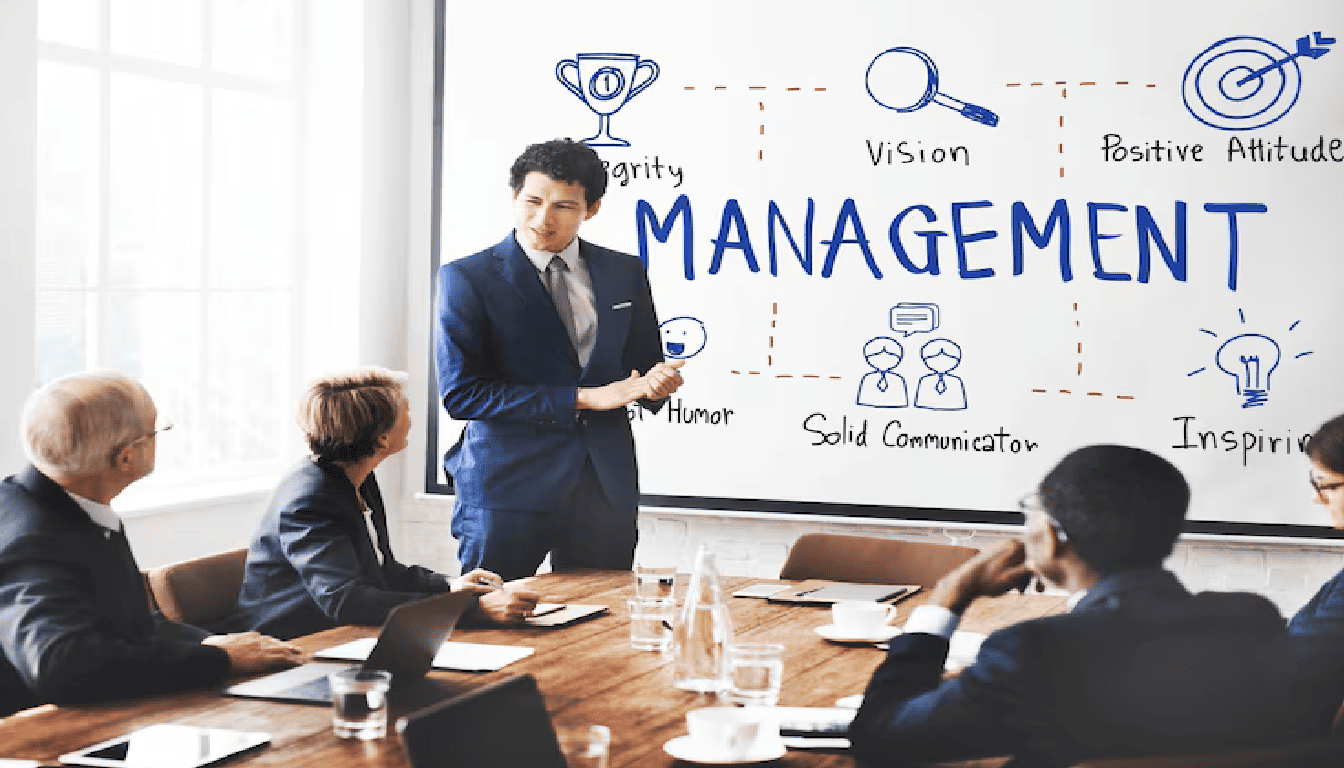
Understanding Team Management
Team management involves coordinating, guiding, and supporting a group of individuals to achieve shared objectives. It extends beyond assigning tasks and monitoring performance; it requires a strategic approach that aligns individual capabilities with organizational goals. Managers who understand their team members’ strengths, weaknesses, and motivations are better equipped to create a productive and harmonious work environment.
One of the key aspects of effective team management is delegation. Assigning the right tasks to the right people ensures that work is completed efficiently and to a high standard. When employees are given responsibilities that match their skills and expertise, they are more likely to feel confident, engaged, and motivated. This alignment not only improves individual performance but also contributes to the overall success of the business.
Additionally, strong team management fosters accountability. Clear expectations and defined roles help team members understand their responsibilities and how their contributions impact the organization. This clarity reduces confusion, minimizes duplication of effort, and enhances productivity. Managers who provide consistent guidance and support create an environment where employees feel empowered to take ownership of their work.
The Role of Communication in Team Management
Communication is at the heart of successful team management. Without clear and effective communication, even the most well-structured teams can struggle to perform. Managers must ensure that information flows seamlessly within the team, enabling members to stay aligned with goals, responsibilities, and deadlines.
Clear and concise communication helps prevent misunderstandings and errors. When expectations are communicated effectively, team members can focus on their tasks with confidence. Regular check-ins, whether through meetings or one-on-one discussions, provide opportunities to monitor progress, address challenges, and offer guidance. These interactions also demonstrate that management is actively engaged and supportive.
Open communication channels are equally important. Encouraging team members to share ideas, ask questions, and voice concerns fosters a culture of transparency and trust. When employees feel heard and valued, they are more likely to contribute actively and collaborate effectively. This open exchange of ideas can also lead to innovation and creative problem-solving, which are essential for business growth.
Feedback plays a crucial role in communication. Constructive feedback helps employees improve their performance, while positive reinforcement boosts morale and motivation. Managers should strive to provide feedback that is timely, specific, and actionable. At the same time, they should be receptive to feedback from their team, using it as an opportunity to refine management practices and strengthen relationships.
Strategies for Enhancing Team Dynamics
Building strong team dynamics is essential for creating a cohesive and high-performing workforce. Managers must adopt strategies that promote collaboration, trust, and mutual respect among team members. A positive team dynamic not only improves productivity but also contributes to employee satisfaction and retention.
Team-building activities are an effective way to strengthen relationships and encourage cooperation. These activities help team members understand each other’s working styles, build trust, and develop a sense of camaraderie. Whether through workshops, group projects, or informal gatherings, fostering interpersonal connections can significantly enhance teamwork.
Another important strategy is recognizing and rewarding achievements. Acknowledging both individual and team accomplishments reinforces positive behavior and motivates employees to maintain high performance. Recognition can take many forms, from verbal praise to formal rewards, but its impact on morale and engagement is substantial.
Managers should also focus on creating an inclusive environment where diversity is valued. Teams composed of individuals with different perspectives and experiences are more likely to generate innovative ideas and solutions. Encouraging inclusivity ensures that all voices are heard and respected, further strengthening team cohesion.
Finally, continuous development is key to sustaining strong team dynamics. Providing training, mentorship, and growth opportunities helps employees enhance their skills and stay engaged. When team members feel that their professional development is supported, they are more likely to remain committed to the organization’s goals.
Conclusion
Effective team management is a cornerstone of business growth, enabling organizations to maximize productivity, foster innovation, and maintain a competitive edge. By understanding team management principles, prioritizing clear communication, and implementing strategies to enhance team dynamics, leaders can build resilient and high-performing teams. Ultimately, organizations that invest in their people and cultivate strong team environments are better equipped to achieve long-term success.