Understanding Team Development
Team development is a structured and continuous process that enables a group of individuals to work together efficiently toward shared objectives. It involves strengthening communication, building trust, and aligning individual contributions with organizational goals. In today’s fast-paced business environment, where collaboration is essential, effective team development plays a critical role in driving performance and achieving sustainable success.
Understanding team dynamics is fundamental to this process. Each team is composed of individuals with diverse skills, personalities, and perspectives. When managed effectively, this diversity becomes a powerful asset that enhances creativity and problem-solving. However, without proper guidance and structure, it can also lead to misunderstandings and inefficiencies. Therefore, organizations must adopt intentional strategies to ensure that teams operate cohesively and productively.
A focus on continuous improvement is also vital. Teams that regularly evaluate their performance and refine their processes are better equipped to adapt to change and maintain high levels of efficiency.
Best Practices for Team Development
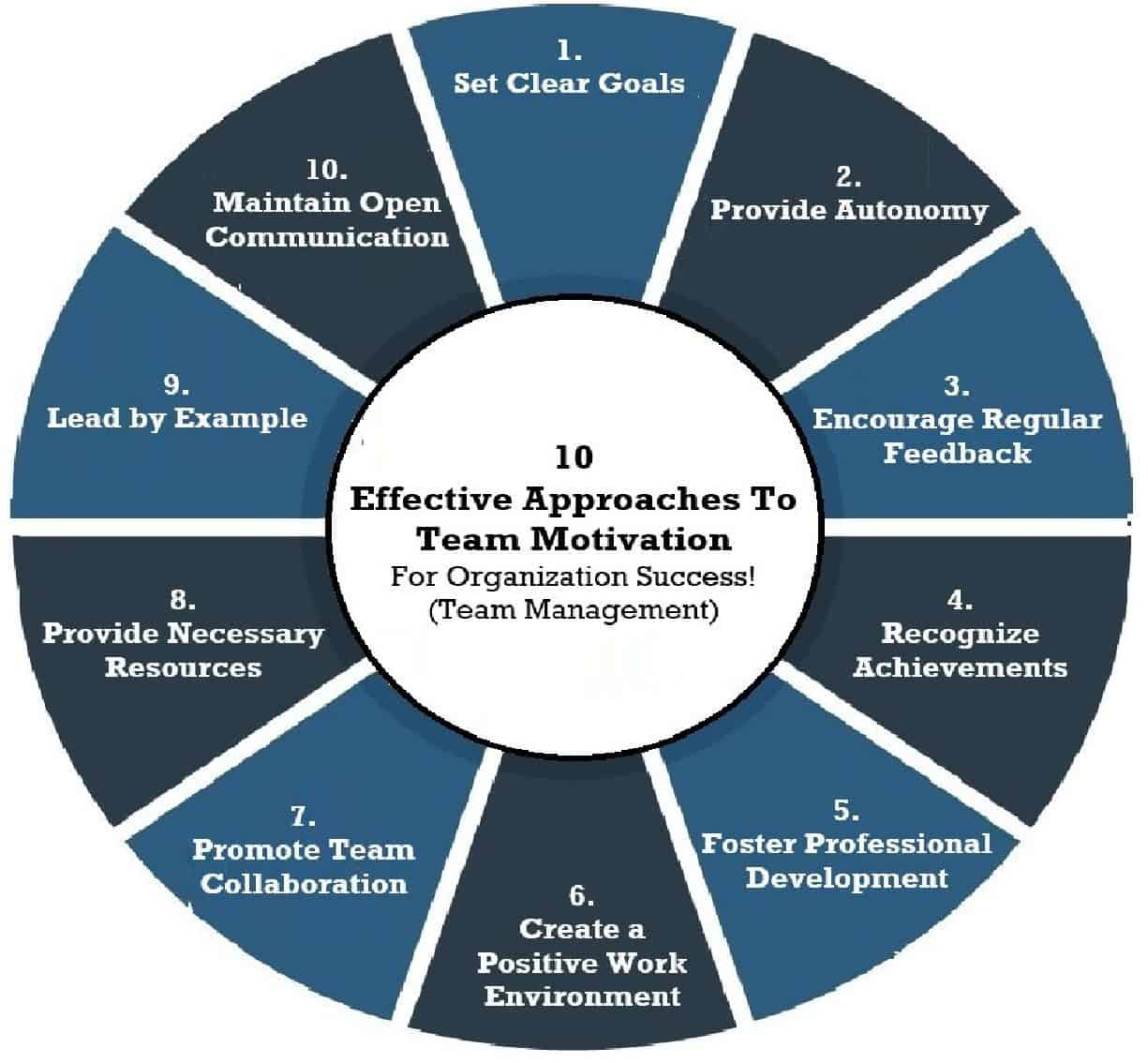
To foster strong and effective teams, organizations should implement several key best practices. One of the most important is promoting open communication. Creating an environment where team members feel comfortable sharing ideas, feedback, and concerns builds trust and transparency. Open communication not only reduces misunderstandings but also encourages collaboration and innovation.
Another essential practice is defining clear roles and responsibilities. When each team member understands their specific duties and how they contribute to the overall objectives, it minimizes confusion and prevents duplication of efforts. Clarity in roles ensures accountability and helps teams operate more efficiently.
Setting achievable and measurable goals is equally important. Well-defined goals provide direction and focus, enabling teams to prioritize tasks and track progress effectively. These goals should align with the organization’s broader strategy, ensuring that team efforts contribute to overall success.
Additionally, fostering a culture of feedback and continuous learning enhances team development. Regular feedback sessions allow team members to identify strengths and areas for improvement. This ongoing dialogue supports personal and professional growth while strengthening team performance.
Encouraging collaboration and mutual support is another best practice. Teams that work together and support one another are more resilient and capable of overcoming challenges. Leaders play a key role in facilitating this collaboration by promoting inclusivity and recognizing collective achievements.
Team Building Activities
Team-building activities are a vital component of effective team development. These activities are designed to strengthen relationships, improve communication, and build trust among team members. Whether formal or informal, they provide opportunities for individuals to interact outside of their usual work roles, fostering a deeper understanding of each other’s strengths and working styles.
Formal activities, such as workshops and training sessions, can focus on developing specific skills like communication, conflict resolution, and leadership. Informal activities, such as social gatherings or team outings, help create a relaxed environment where team members can connect on a personal level. Both types of activities contribute to a more cohesive and collaborative team dynamic.
Regularly incorporating team-building exercises into the workplace reinforces the importance of teamwork and helps maintain strong interpersonal relationships. These activities also boost morale, reduce stress, and create a sense of belonging within the team. As a result, employees are more engaged and motivated to contribute to the team’s success.
Conclusion
Effective team development is essential for building high-performing teams and achieving organizational goals. By promoting open communication, defining clear roles, setting measurable goals, and encouraging continuous learning, organizations can create a strong foundation for teamwork.
Incorporating team-building activities further enhances collaboration and trust, leading to a more positive and productive work environment. Ultimately, investing in team development is not just about improving efficiency—it is about creating a culture where individuals work together seamlessly, support one another, and contribute to long-term organizational success