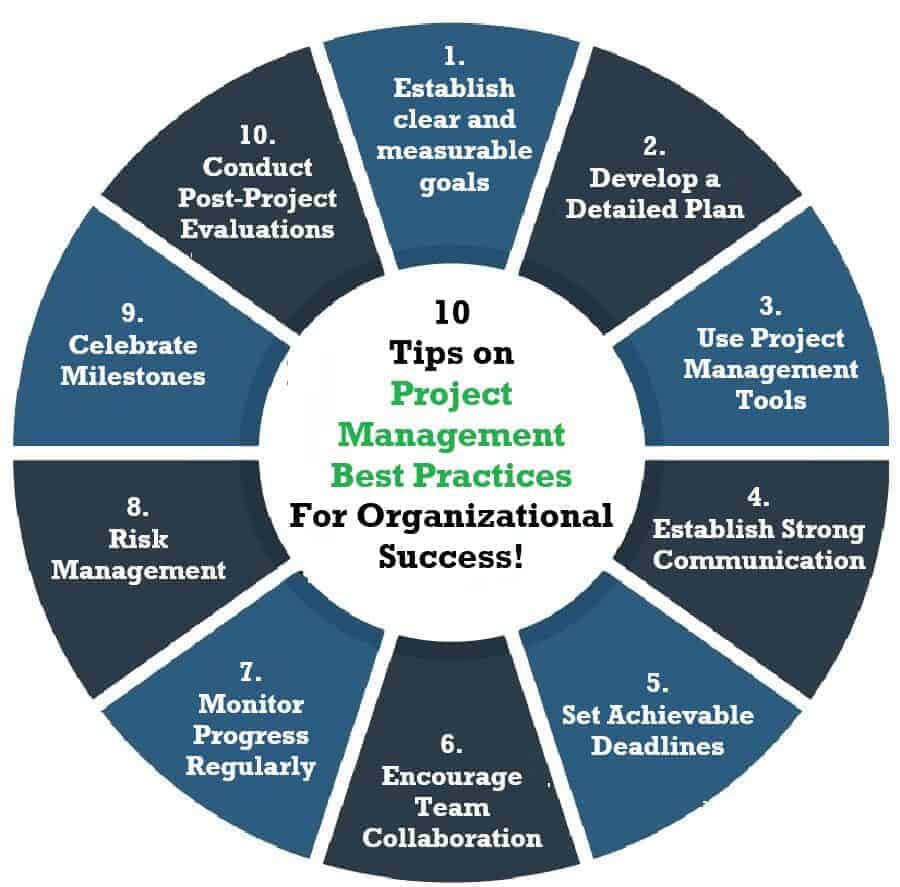
Understanding Project Management Systems
A Project Management System (PMS) is a centralized software platform designed to plan, execute, and monitor projects efficiently. Its primary goal is to enhance productivity, improve collaboration, and provide project managers with the visibility they need to ensure timely and successful project delivery.
In today’s complex business environment, where multiple teams often work on interdependent tasks across departments or geographies, a PMS serves as a single source of truth, reducing miscommunication and streamlining workflows. By consolidating project information—tasks, timelines, budgets, and resources—into one system, organizations can manage their projects with greater precision and agility.
The Benefits of Implementing a PMS
Integrating a PMS into your organization brings significant operational and strategic advantages:
1. Improved Collaboration and Communication
A PMS allows team members to share updates, track progress, and communicate in real time. By providing visibility into each project’s status, dependencies, and milestones, a PMS reduces silos, aligns teams, and fosters accountability.
2. Enhanced Project Visibility
Project managers can monitor timelines, resource allocation, and budgets at a glance. This visibility enables informed decision-making, helping managers anticipate bottlenecks, adjust workloads, and allocate resources effectively.
3. Risk Reduction and Error Minimization
Structured workflows and automated notifications reduce the likelihood of missed deadlines or overlooked tasks. By highlighting potential conflicts or delays, a PMS mitigates risk and improves the likelihood of project success.
4. Increased Productivity
With a PMS, routine administrative tasks such as progress tracking, reporting, and document sharing are automated, allowing team members to focus on high-value work. This efficiency often translates into faster project delivery and better overall performance.
5. Data-Driven Insights
Advanced PMS platforms provide analytics and reporting tools that help organizations assess project performance, identify trends, and make evidence-based improvements. Over time, this data supports continuous process optimization and organizational learning.
Key Features to Look for in a PMS
Selecting the right PMS is critical to maximizing its impact. Organizations should evaluate platforms based on several core features:
1. Task and Workflow Management
A robust PMS allows teams to assign, prioritize, and track tasks, ensuring that every component of a project is accounted for and progresses according to plan.
2. Document Management and Collaboration
The ability to store, share, and co-edit documents within the system centralizes knowledge and prevents information fragmentation.
3. Reporting and Analytics
Comprehensive reporting tools provide insights into project status, resource utilization, and timelines, enabling managers to make proactive, data-driven decisions.
4. User-Friendly Interface and Mobile Accessibility
Ease of use encourages adoption across teams. Mobile accessibility ensures employees can update progress and access project information from anywhere, supporting remote or hybrid work environments.
5. Integration with Existing Tools
A PMS that seamlessly integrates with other systems—such as communication platforms, CRM tools, or time-tracking software—streamlines workflows and reduces duplication of effort.
Strategic Value of a PMS for Organizations
Beyond operational improvements, a PMS delivers strategic benefits that impact overall business performance. Organizations that adopt a PMS experience improved project predictability, stronger accountability, and faster time-to-market for products and services. By enabling transparency and collaboration, a PMS also strengthens leadership oversight, helping executives monitor key initiatives without being bogged down in day-to-day details.
In addition, PMS platforms support organizational scalability. As projects become larger and more complex, having standardized processes and centralized project visibility ensures teams can continue to deliver consistent, high-quality outcomes.
Conclusion
A Project Management System is more than a software tool—it is a strategic enabler for operational efficiency, collaboration, and business growth. By providing structure, visibility, and actionable insights, a PMS helps organizations reduce risk, improve productivity, and achieve successful project outcomes consistently.
For executives and decision-makers, investing in the right PMS is an investment in organizational agility and future readiness. In a competitive market where timely project delivery and effective cross-functional collaboration are critical, a PMS transforms project management from a tactical necessity into a strategic advantage that drives sustained success.