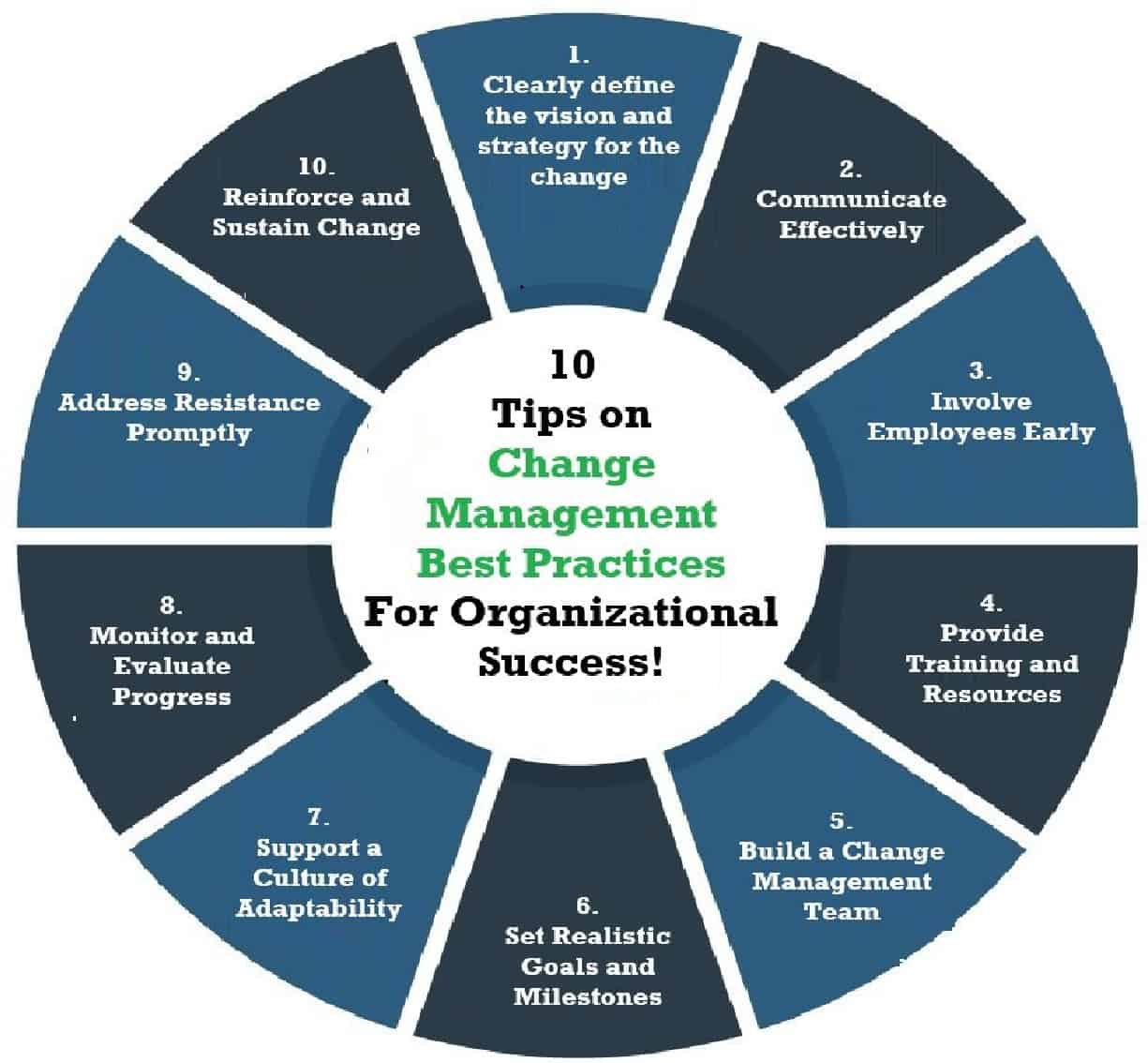
Organizational change is one of the toughest challenges business leaders face today. You know the stakes: without a clear process, change initiatives often fail, leaving teams frustrated and productivity stalled. Research shows that structured approaches boost success rates dramatically. This guide walks you through a proven, actionable process to implement organizational change that enhances productivity and engagement. You will learn how to prepare, execute, verify, and sustain change initiatives that deliver real results for your organization.
Table of Contents
- Key takeaways
- Understanding the organizational change management process
- Preparing for successful organizational change
- Executing the change management plan effectively
- Verifying and sustaining organizational change success
- Boost your change management success with expert consulting
- Frequently asked questions
Key Takeaways
| Point | Details |
|---|---|
| Structured change process | A clear, structured framework guides preparation, execution, and reinforcement to minimize disruption and drive measurable results. |
| Define objectives early | Before starting, set concrete, measurable targets aligned to strategy to guide actions and track progress. |
| Stakeholder engagement | Identify all affected stakeholders, map their influence, and engage early to build trust and reduce resistance. |
| Communication plan | Develop a plan with tailored messages for audiences to align expectations and minimize confusion. |
Understanding the organizational change management process
The organizational change management process is a structured approach to transitioning individuals, teams, and entire organizations from a current state to a desired future state. It encompasses planning, implementing, and reinforcing changes to achieve strategic goals while minimizing disruption. Without a clear framework, change initiatives often fail due to lack of stakeholder buy-in and poor communication.
Business leaders encounter predictable challenges during change. Resistance from employees who fear uncertainty or job loss creates friction. Communication gaps lead to confusion and rumors that undermine trust. Lack of leadership alignment sends mixed messages that paralyze action. Insufficient resources or training leave teams unprepared to adopt new processes. These obstacles are not insurmountable, but they require intentional strategies to overcome.
A structured change management framework provides the roadmap to navigate these challenges. It ensures consistency, accountability, and transparency throughout the transition. Key benefits include:
- Increased employee engagement as teams understand the purpose and their role in change
- Higher productivity because disruptions are minimized and resources are allocated effectively
- Faster adoption of new processes through targeted training and support
- Reduced turnover as employees feel heard and supported during transitions
- Sustainable results because changes are embedded into organizational culture
Effective change management transforms organizational performance by aligning people, processes, and technology toward common goals. It turns potential chaos into coordinated action, ensuring that strategic initiatives deliver measurable improvements in productivity and team engagement.
Preparing for successful organizational change
Preparation is the foundation of successful change. Before launching any initiative, you must define clear, measurable objectives that align with your organization’s strategic vision. Vague goals like “improve culture” fail because they lack specificity. Instead, set concrete targets such as “reduce process cycle time by 20% within six months” or “increase employee engagement scores by 15 points by year end.” These objectives provide direction and enable you to track progress.

Stakeholder analysis is your next critical step. Identify everyone affected by the change, from frontline employees to senior executives and external partners. Map their influence and interest levels to determine who needs early engagement. Early stakeholder engagement minimizes resistance by building trust and addressing concerns before they escalate. Prioritize influencers who can champion the change and neutralize potential resistors through transparent dialogue.
Forming a capable change management team ensures you have the expertise and bandwidth to execute your plan. Select members with diverse skills: project management, communication, training, and technical expertise. Assign clear roles and responsibilities so everyone knows their contribution. This team becomes your engine for driving change, coordinating activities, and solving problems as they arise.
Developing a communication plan is essential to align expectations and keep everyone informed. Your plan should outline:
- Key messages tailored to different audiences (executives need strategic context, employees need practical details)
- Communication channels such as town halls, emails, intranet updates, and team meetings
- Frequency and timing to maintain momentum without overwhelming people
- Feedback mechanisms like surveys or focus groups to gauge sentiment and adjust messaging
Pro Tip: Create a change readiness assessment to evaluate your organization’s capacity for change. Survey employees on their understanding of the initiative, confidence in leadership, and perceived support. Use the results to identify gaps and tailor your preparation activities to address specific concerns before launch.
Your preparation phase sets the tone for the entire change journey. Investing time upfront to define objectives, engage stakeholders, build your team, and plan communication pays dividends by reducing friction and accelerating adoption when you move into execution.
Executing the change management plan effectively
Execution is where your preparation meets reality. Start by implementing your communication plan with clarity and empathy. Announce the change in a way that explains the why, the what, and the how. Employees need to understand the business case, what will change in their day-to-day work, and how they will be supported. Use multiple channels to reach everyone, and repeat key messages to reinforce understanding.
Transparent communication builds trust, but it must be two-way. Create forums where employees can ask questions and voice concerns. Town halls, Q&A sessions, and anonymous feedback tools give people a voice and help you identify issues early. Addressing employee concerns reduces resistance and improves engagement throughout the transition.
Training and support equip your teams to succeed with new processes or systems. Deliver training in formats that match learning preferences: hands-on workshops, online modules, job aids, and peer coaching. Provide ongoing support through help desks, super users, or office hours where employees can get answers when they need them. The goal is to build confidence and competence so people feel capable, not overwhelmed.
Resistance is inevitable, but you can manage it effectively by following these steps:
- Identify resistors early through feedback, performance metrics, or manager observations.
- Understand the root cause of resistance, whether it is fear, lack of information, or disagreement with the change.
- Engage resistors in one-on-one conversations to listen, empathize, and address their specific concerns.
- Involve them in the solution by seeking their input on implementation details or asking them to pilot new processes.
- Recognize and celebrate small wins to shift their perspective from skepticism to support.
Monitoring progress keeps your initiative on track. Establish key performance indicators tied to your objectives, such as adoption rates, process efficiency, or employee sentiment scores. Use dashboards or regular check-ins to review data and identify trends. When metrics signal problems, adjust your approach quickly. Flexibility is a strength, not a weakness, during change execution.
Pro Tip: Appoint change champions within each team or department. These are influential employees who support the change and can advocate for it among their peers. Equip them with talking points and updates so they can answer questions and reinforce key messages in real time. Peer influence often carries more weight than top-down directives.
Effective execution balances structure with adaptability. Stick to your plan, but remain open to feedback and course corrections. Leadership visibility is critical during this phase. When executives model the new behaviors and communicate consistently, it signals that the change is real and here to stay.
Verifying and sustaining organizational change success
Verification ensures that your change initiative delivers the intended outcomes. Start by measuring the impact on performance and engagement using the KPIs you established during preparation. Compare baseline data to current metrics to quantify improvements. For example, if your objective was to reduce process cycle time by 20%, track actual cycle times and calculate the percentage change. Hard data provides objective evidence of success and helps you make the case for continued investment.
Distinguish between quick wins and long-term goals to maintain momentum. Quick wins are early, visible successes that build confidence and demonstrate progress. They might include completing a pilot project, achieving a short-term milestone, or receiving positive feedback from a key stakeholder group. Long-term goals require sustained effort and may take months or years to fully realize. The table below illustrates the differences:
| Aspect | Quick Wins | Long-Term Goals |
|---|---|---|
| Timeframe | Weeks to a few months | Months to years |
| Scope | Narrow, focused on specific tasks | Broad, affecting entire organization |
| Impact | Builds momentum and morale | Drives strategic transformation |
| Measurement | Simple metrics like completion rates | Complex KPIs like cultural shifts |
Reinforcing new behaviors is essential to prevent backsliding. Change only sticks when it becomes part of how your organization operates. Use these strategies to embed changes into culture:
- Leadership modeling: Executives and managers must consistently demonstrate the new behaviors and hold others accountable.
- Incentives and recognition: Reward employees who adopt new practices through bonuses, promotions, or public acknowledgment.
- Performance management: Update job descriptions, performance reviews, and development plans to reflect new expectations.
- Continuous communication: Keep the change visible through regular updates, success stories, and reminders of the benefits achieved.
Feedback loops enable continuous improvement. Ongoing measurement and reinforcement ensure that changes remain relevant and effective over time. Conduct post-implementation reviews to assess what worked, what did not, and what you can improve for future initiatives. Gather input from employees, managers, and stakeholders to capture diverse perspectives.
As your organization evolves, new challenges and opportunities will emerge. Use the lessons learned from this change to refine your approach for the next one. Building a culture of continuous improvement means viewing change not as a one-time event but as an ongoing capability. Invest in strategic planning and implementation skills across your leadership team so you are always ready to adapt and grow.
Verification and sustainability are not afterthoughts. They are integral to realizing the full value of your change efforts. By measuring results, reinforcing behaviors, and committing to continuous improvement, you ensure that organizational change delivers lasting benefits for productivity, engagement, and performance.
Boost your change management success with expert consulting
Navigating organizational change is challenging, but you do not have to do it alone. Dumex Business Consult specializes in change management consulting designed to help leaders like you implement effective strategies that enhance productivity and team engagement. Our experts guide you through every phase, from preparation to verification, ensuring your initiatives succeed.
We offer tailored business strategy consulting that aligns change initiatives with your organizational goals. Our leadership and management services equip your teams with the skills and confidence to lead change effectively. Whether you are launching a major transformation or refining existing processes, our proven frameworks and hands-on support deliver measurable results. Partner with us to turn change from a challenge into a competitive advantage.
Frequently asked questions
What are the key stages of the organizational change management process?
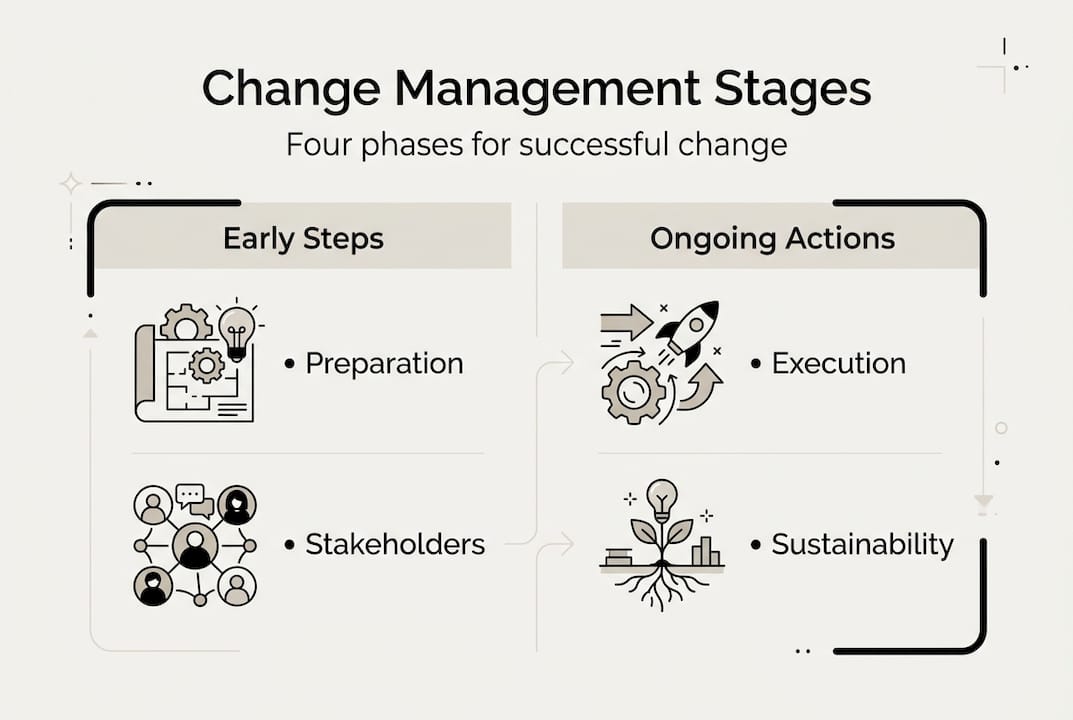
The organizational change management process includes four key stages: preparation, execution, verification, and continuous improvement. Preparation involves defining objectives, engaging stakeholders, and building a change team. Execution focuses on communication, training, and monitoring progress. Verification measures outcomes and reinforces new behaviors. Continuous improvement embeds changes into culture and adapts to emerging needs.
How can leaders reduce employee resistance to change?
Leaders reduce resistance by engaging stakeholders early to build trust and buy-in. Communicate the reasons for change clearly and address concerns openly through forums and one-on-one conversations. Provide training and ongoing support so employees feel equipped to succeed. Involve resistors in the solution by seeking their input and celebrating their contributions to shift their perspective.
What tools help monitor progress during change implementation?
Balanced scorecards and key performance indicators tailored to your change objectives provide quantitative tracking. Regular feedback surveys and team meetings capture qualitative insights and employee sentiment. Project management software with change tracking capabilities offers real-time visibility into milestones, tasks, and risks. Dashboards consolidate data for easy review and decision making.
Why is continuous improvement important after a change initiative?
Continuous improvement embeds new behaviors into organizational culture so they become the norm rather than exceptions. It allows you to adapt to emerging challenges and opportunities, keeping your organization agile and competitive. Sustained focus on improvement ensures that the benefits of change, such as increased productivity and engagement, are maintained and amplified over time.