Understanding Effective Change Strategies
In today’s rapidly evolving business environment, organizations must continuously adapt to shifting market dynamics, technological advancements, and competitive pressures. Effective change strategies provide a structured and proactive approach to managing transformation, ensuring that organizations not only survive change but leverage it as a catalyst for growth.
Change is inherently challenging because it disrupts established routines, mindsets, and systems. Without a clear strategy, even well-intentioned initiatives can fail due to resistance, misalignment, or poor execution. Successful organizations recognize that change is not just an operational adjustment—it is a strategic capability that requires leadership focus, cultural alignment, and disciplined execution.
By adopting well-defined change strategies, organizations can reduce uncertainty, improve adoption rates, and achieve sustainable, long-term results.
Key Components of Successful Change Management
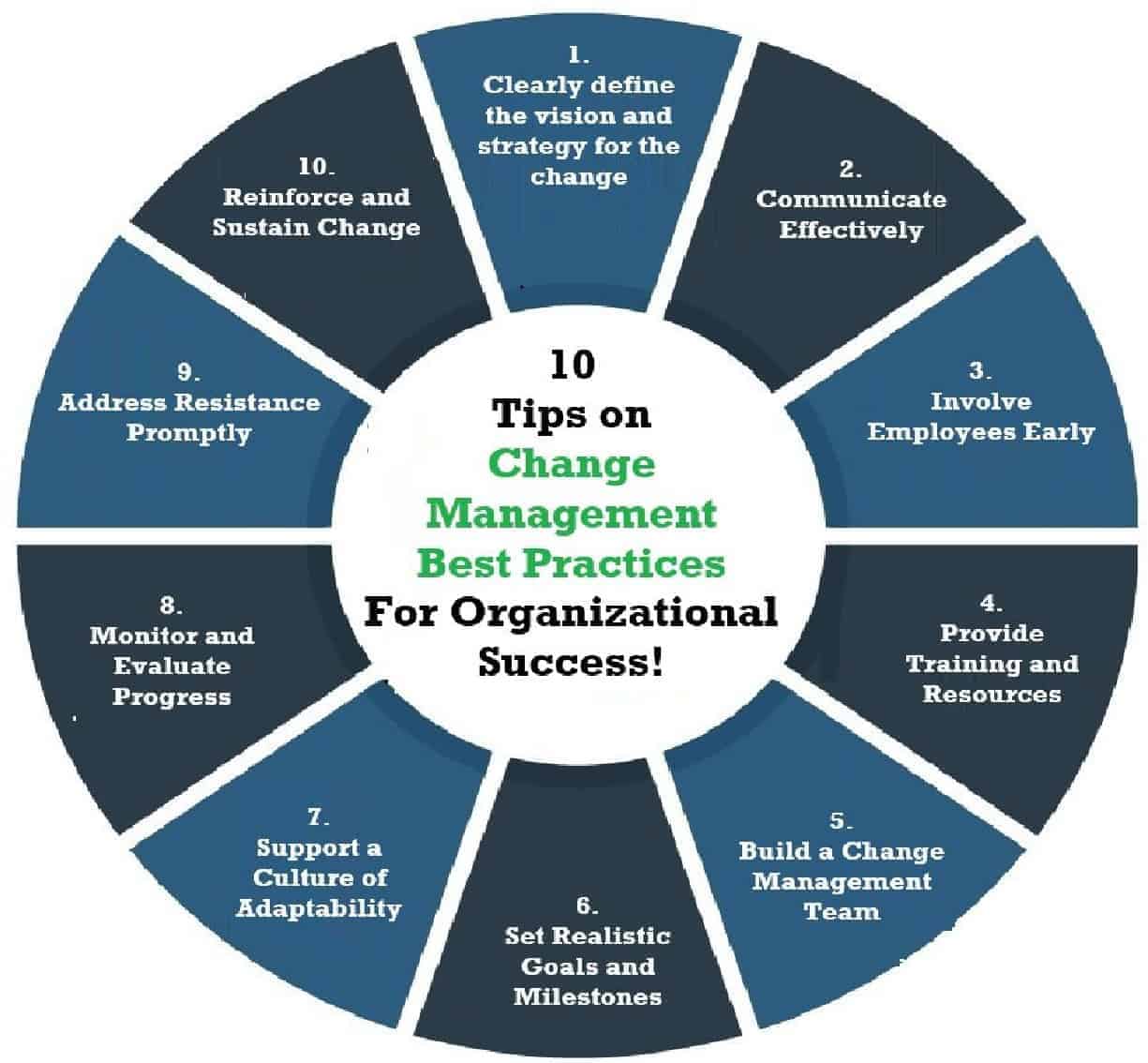
To implement effective change strategies, organizations must focus on several critical components that ensure alignment, engagement, and execution excellence:
1. Clear Vision and Strategic Alignment
Every successful change initiative begins with a clear vision. Leaders must articulate what the change aims to achieve, why it is necessary, and how it aligns with broader organizational goals. This clarity ensures that all efforts are directed toward a common objective and reduces confusion across teams.
2. Strong Leadership and Sponsorship
Leadership plays a pivotal role in driving change. Visible and committed leaders help reinforce the importance of the initiative, build credibility, and maintain momentum. When leaders actively support change, it signals to the organization that the transformation is a strategic priority, not just a temporary initiative.
3. Effective Communication
Communication is one of the most critical success factors in change management. Organizations must ensure consistent, transparent, and two-way communication that addresses employee concerns and provides clarity. Effective communication helps build trust, reduce resistance, and foster engagement.
4. Stakeholder Engagement and Involvement
Engaging stakeholders early and throughout the process creates a sense of ownership and accountability. By involving employees, managers, and key influencers in decision-making, organizations can leverage diverse perspectives and build stronger support for the change.
5. Training and Capability Development
For change to be successful, employees must have the skills and knowledge required to adapt. Providing targeted training and resources ensures that teams feel confident and equipped to operate in the new environment, accelerating adoption and reducing disruption.
6. Change Reinforcement and Cultural Alignment
Sustainable change requires embedding new behaviors into the organizational culture. This involves reinforcing desired behaviors through performance management, incentives, and leadership actions. A strong cultural alignment ensures that change becomes a natural part of how the organization operates.
Measuring the Impact of Change
Implementing change strategies is only part of the journey—measuring their effectiveness is equally critical. Organizations must establish clear metrics and performance indicators to evaluate whether the change is delivering its intended outcomes.
Key metrics may include:
- Employee engagement and adoption rates
- Productivity and operational efficiency improvements
- Customer satisfaction and experience metrics
- Financial performance and return on investment
Collecting both quantitative data and qualitative feedback provides a comprehensive view of the change’s impact. Employee feedback, in particular, offers valuable insights into challenges, gaps, and opportunities for improvement.
Continuous monitoring enables organizations to make data-driven adjustments, ensuring that change initiatives remain aligned with business objectives and deliver measurable value.
Building a Change-Ready Organization
Organizations that consistently succeed in transformation go beyond individual initiatives—they build a change-ready culture. This means developing the capability to adapt quickly, embrace innovation, and respond effectively to new challenges.
A change-ready organization is characterized by:
- Agile decision-making processes
- Open and transparent communication
- Empowered and engaged employees
- Strong leadership alignment
- Continuous learning and improvement
By institutionalizing these attributes, organizations can turn change into a competitive advantage rather than a disruptive force.
Conclusion
Effective change strategies are essential for organizations seeking to thrive in an increasingly complex and dynamic environment. By focusing on clear vision, strong leadership, stakeholder engagement, and continuous measurement, organizations can navigate change with confidence and precision.
For executives and decision-makers, the ability to manage change effectively is no longer optional—it is a core leadership competency. Organizations that invest in structured, people-centric change strategies are better positioned to drive transformation, achieve strategic goals, and sustain long-term success.