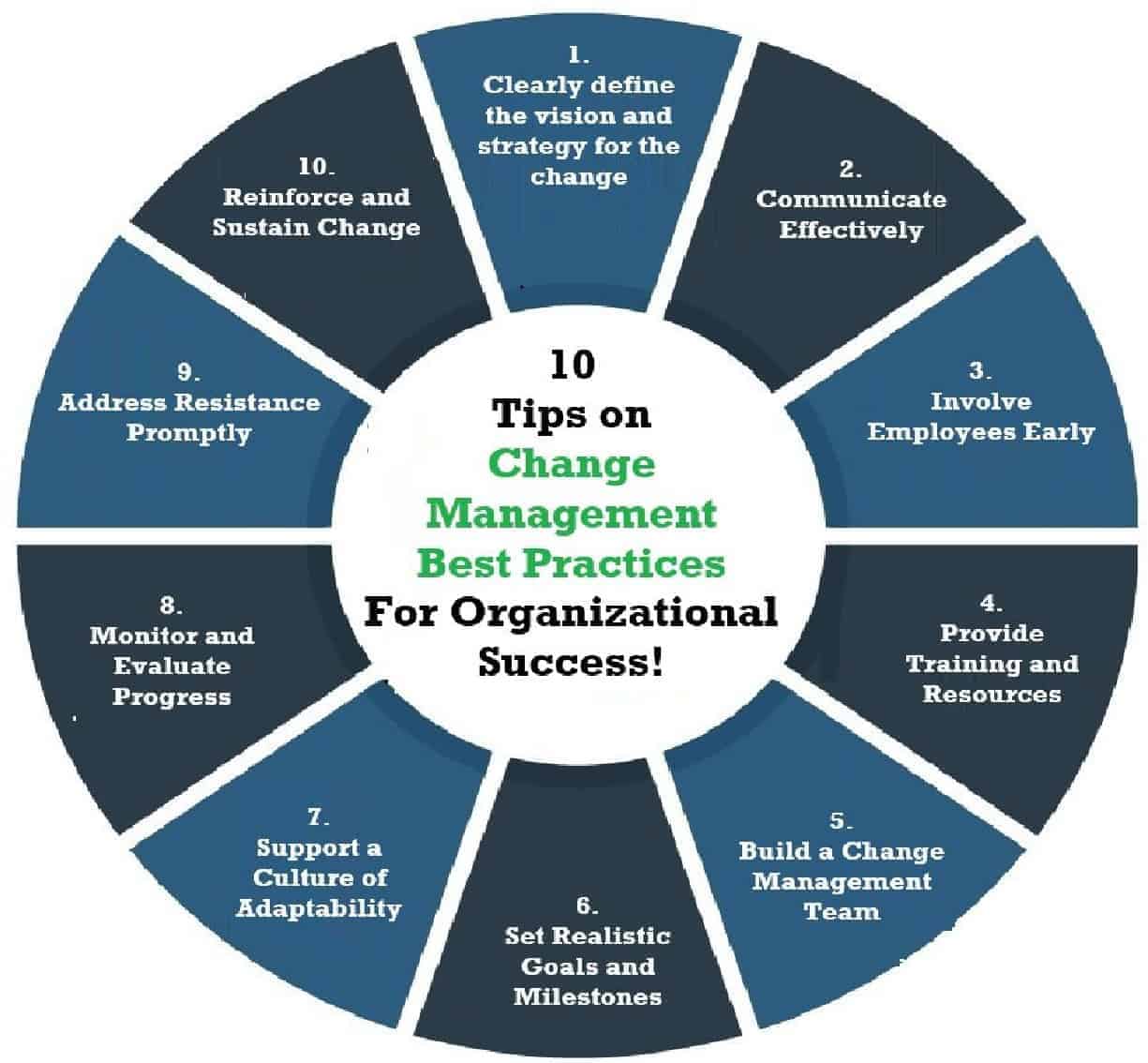
Understanding Change Strategy
In today’s rapidly evolving business landscape, organizations must continuously adapt to remain competitive. Whether driven by digital transformation, market disruption, regulatory shifts, or internal growth, change is inevitable. However, the difference between success and failure lies in how effectively that change is managed.
A well-defined change strategy provides a structured, proactive approach to transitioning an organization from its current state to a desired future state. It ensures that change initiatives are not only implemented efficiently but also adopted and sustained over time.
Without a clear strategy, organizations often face resistance, confusion, and operational disruption. Conversely, organizations that approach change strategically are better positioned to minimize risk, maintain productivity, and achieve their transformation goals.
Key Elements of a Successful Change Strategy
To implement change effectively, organizations must focus on several core elements that drive alignment, engagement, and execution:
1. Clear Vision and Purpose
Every successful change initiative begins with a clearly defined vision. Leaders must articulate why the change is necessary, what it aims to achieve, and how it aligns with the organization’s broader goals.
A compelling purpose creates a sense of urgency and direction, helping employees understand the importance of the transformation and their role within it.
2. Transparent and Consistent Communication
Communication is one of the most critical success factors in any change strategy. Organizations must ensure that messaging is clear, consistent, and transparent across all levels.
Employees need to understand:
- The reasons behind the change
- The expected benefits
- How it will impact their roles
Open communication helps reduce uncertainty, build trust, and minimize resistance to change.
3. Stakeholder Engagement and Involvement
Engaging employees and key stakeholders early in the process fosters a sense of ownership and accountability. When individuals are involved in shaping the change, they are more likely to support and adopt it.
Organizations should actively seek input, address concerns, and incorporate feedback to create a collaborative and inclusive change environment.
4. Leadership Alignment and Sponsorship
Strong leadership is essential for driving change. Leaders must not only endorse the initiative but also demonstrate commitment through their actions.
Visible leadership support reinforces the importance of the change and ensures alignment across the organization. It also helps maintain momentum and overcome challenges during implementation.
5. Training and Capability Development
Change often requires employees to adopt new skills, processes, or technologies. Providing adequate training and resources ensures that teams are prepared, confident, and capable of operating in the new environment.
Investing in capability development accelerates adoption and reduces the risk of disruption.
6. Structured Implementation Plan
A well-defined implementation plan outlines the steps, timelines, and resources required to execute the change. This plan serves as a roadmap, ensuring that all activities are coordinated, prioritized, and aligned with strategic objectives.
Clear roles and responsibilities are critical to maintaining accountability and ensuring successful execution.
Evaluating and Adapting Change Strategies
Successful change management does not end with implementation—it requires continuous evaluation and refinement. Organizations must establish clear performance metrics and feedback mechanisms to assess the effectiveness of their change initiatives.
Key evaluation methods include:
- Tracking adoption rates and employee engagement
- Measuring operational performance and productivity
- Gathering qualitative feedback from stakeholders
- Monitoring alignment with strategic objectives
By analyzing these insights, organizations can identify gaps, address challenges, and make necessary adjustments.
Adaptability is crucial in today’s dynamic environment. Organizations that remain flexible and responsive can optimize their strategies in real time, ensuring that change initiatives deliver maximum value.
Moreover, incorporating employee feedback demonstrates that leadership values their input, which strengthens engagement and fosters a culture of trust and continuous improvement.
Building a Change-Ready Organization
Beyond individual initiatives, organizations should aim to build a culture that embraces change. A change-ready organization is characterized by agility, resilience, and a willingness to innovate.
This involves:
- Encouraging open communication and collaboration
- Empowering employees to contribute ideas and solutions
- Promoting continuous learning and development
- Embedding adaptability into organizational processes
By developing these capabilities, organizations can transform change from a disruptive force into a strategic advantage.
Conclusion
Effective change strategies are essential for organizations seeking to navigate complexity and achieve sustainable growth. By focusing on clear vision, strong leadership, stakeholder engagement, and continuous evaluation, businesses can implement change with confidence and precision.
For executives and decision-makers, mastering change strategy is a critical leadership competency. Organizations that excel in managing change are better positioned to adapt to evolving market conditions, drive innovation, and maintain a competitive edge.
Ultimately, successful change is not just about implementing new initiatives—it is about creating an organization that thrives in the face of continuous transformation.